

1. PERDIGON
The Perdigon is an artificial fly that originated in Spain, developed within fly fishing competitions to face the challenging conditions of Iberian rivers, often characterized by slow, clear, and heavily fished waters. In such situations, where fish are wary and stay close to the bottom, an imitation was needed that could sink quickly and stay in the strike zone as long as possible. Its effectiveness has gone beyond Spanish borders, becoming a benchmark in modern nymphing techniques, especially in international competitions.
1.1. DISTINCTIVE FEATURES
One of the most recognizable features of the Perdigon is its hackle-free and highly hydrodynamic profile, designed to ensure rapid sinking even in strong currents or deep bottoms. Sometimes it has only a small tail made from Coq de León. The smooth body, finished with UV resin, often appears shiny or iridescent — a choice that is not just aesthetic but functional: this coating reduces water resistance and creates visual flashes that increase the fly's attractiveness.

Crazy Grayling Competition Perdigon
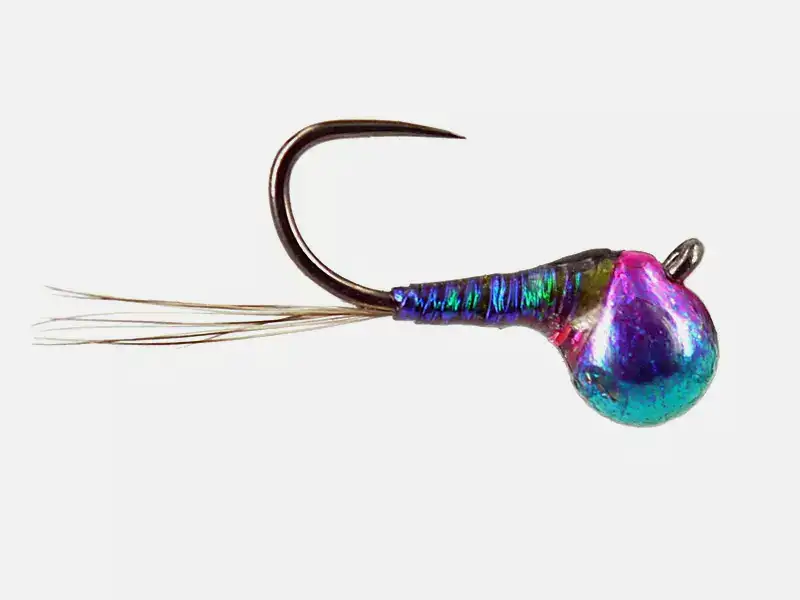
Magicpearl Jig Off Perdigon
1.2. FISHING USE
The Perdigon is a perfect fly for modern nymphing techniques, such as Euro nymphing, where depth control and drift speed are crucial. It is used with long and thin leaders, allowing the angler to maintain direct contact with the bottom, the zone where fish feed most frequently. Its effectiveness is particularly noticeable in deep rivers or areas with heavy fishing pressure, where bulkier or overly complex flies fail to convince wary fish. Brown trout, grayling, and other cyprinids respond very well to the Perdigon, especially during times when they feed on small and inconspicuous nymphs.
1.3. MAIN ADVANTAGES
- Very fast sinking
- Excellent current penetration
- Perfect for Euro nymphing
- Simple and durable structure
- Effective on wary fish
- Easy to tie
- Versatility, effective on multiple species
2. HOW TO TIE A PERDIGON
Tying a Perdigon means focusing on simplicity, functionality, and precision. This artificial fly stands out for its minimalist structure, designed to sink quickly and remain effective even in the most challenging conditions. For this reason, it's also an excellent choice for beginners in fly tying, as it requires few materials and a straightforward tying sequence. Just a few well-executed steps are enough to produce an effective and durable nymph.

Attach the tying thread to the hook

Secure the Javi body and seal it with UV resin
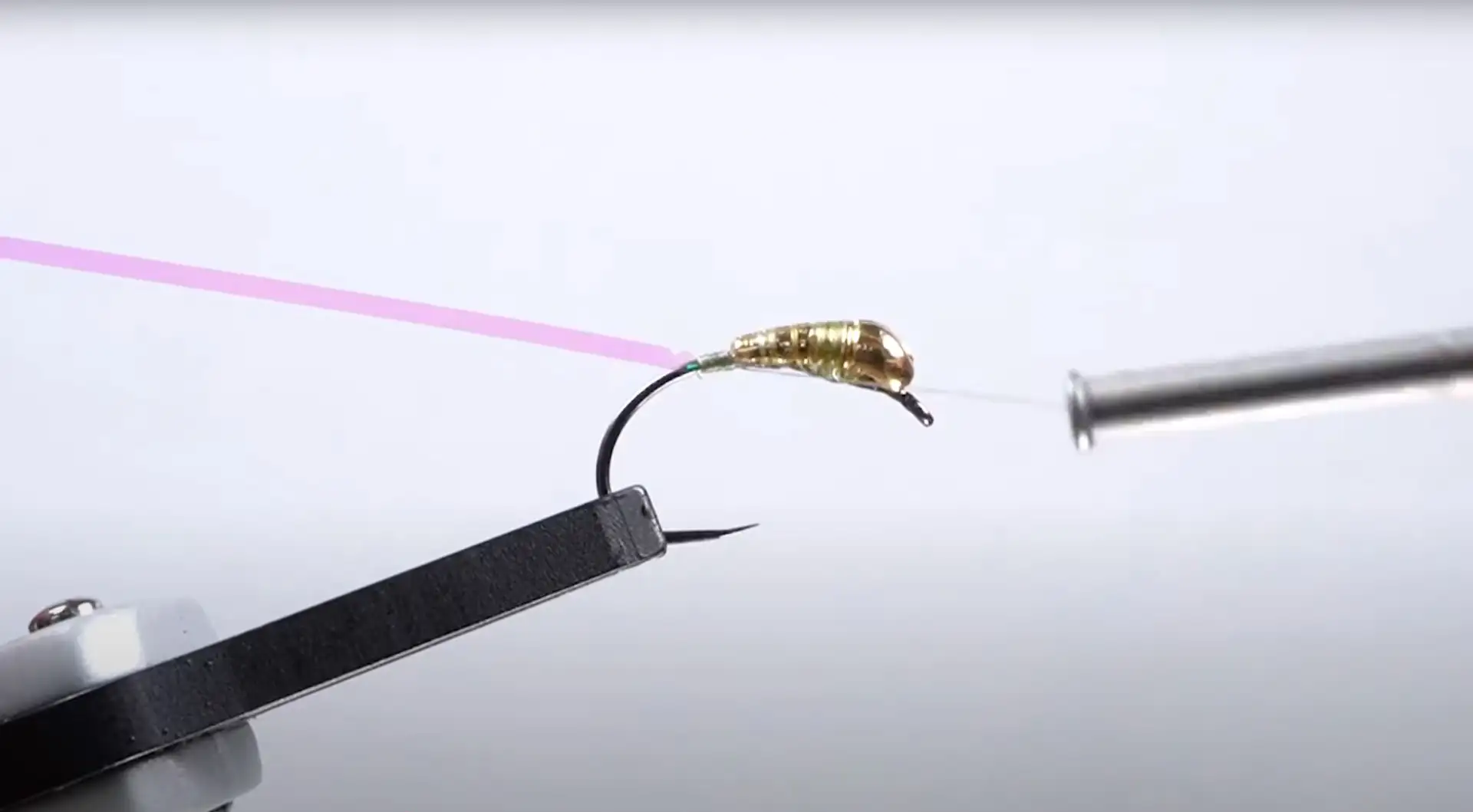
Attach the tinsel to the back of the fly

Wrap the tinsel along the entire body

Create a small collar with the Micro Floss thread
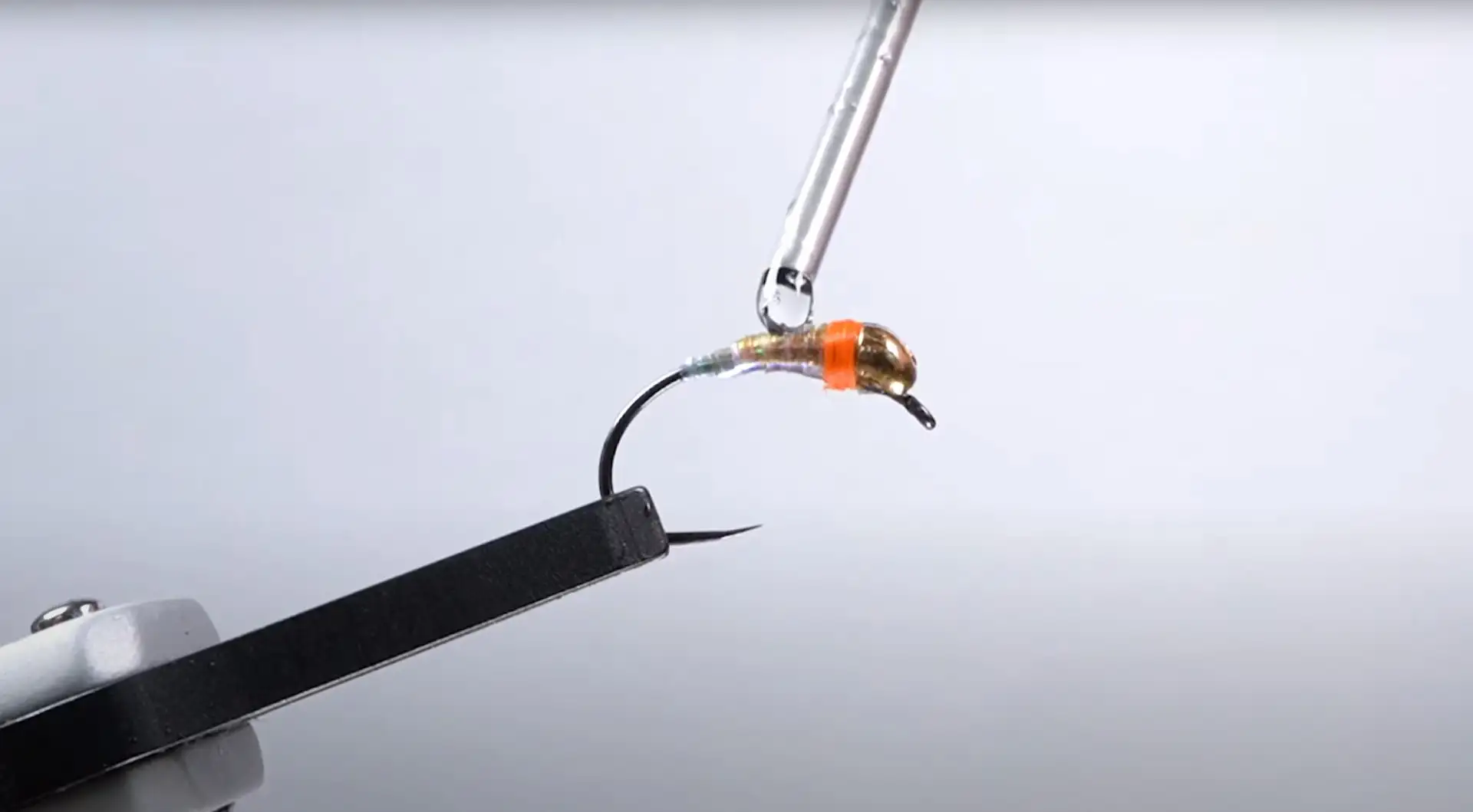
Apply a drop of UV resin to the fly
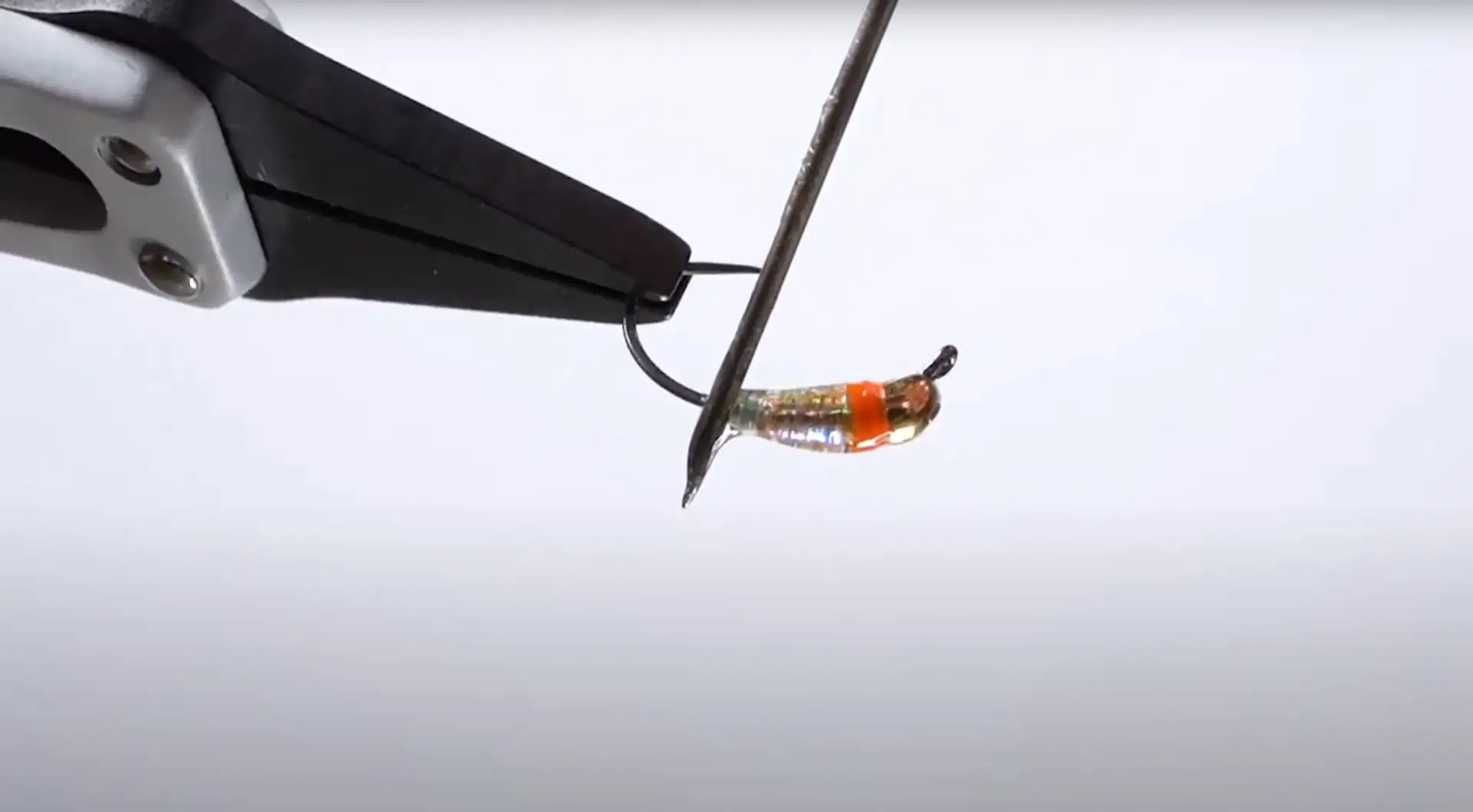
Spread it evenly using a needle

Cure the resin using UV light
You can find

This might also interest you:

Fly tying – Streamers
Discover with us some tips and tricks on how to tie streamers, both for trout and pike. These flies are extremely effective because they trigger the fish’s predatory instinct, often provoking violent and adrenaline-filled strikes. If you want to catch the fish of your dreams, learning how to tie the right streamers is essential!

Tying Streamers for Pike
In this article, we’ll show you how to tie two highly effective streamers for pike fly fishing. Both are articulated patterns, and we’ll guide you through tying each one step by step.

Franco Cottarelli – The Story of a Craftsman
Franco Cottarelli is a name many fly fishers know well, closely associated with fly tying vises and inventions used by fly tyers around the world. But there is much more behind that name than a brand. It is the story of a craftsman, an inventor and a man who has spent a lifetime turning ideas and inspiration into something tangible. This is his story.
Fly tying – Streamers
Discover with us some tips and tricks on how to tie streamers, both for trout and pike. These flies are extremely effective because they trigger the fish’s predatory instinct, often provoking violent and adrenaline-filled strikes. If you want to catch the fish of your dreams, learning how to tie the right streamers is essential!
Tying Streamers for Pike
In this article, we’ll show you how to tie two highly effective streamers for pike fly fishing. Both are articulated patterns, and we’ll guide you through tying each one step by step.
Franco Cottarelli – The Story of a Craftsman
Franco Cottarelli is a name many fly fishers know well, closely associated with fly tying vises and inventions used by fly tyers around the world. But there is much more behind that name than a brand. It is the story of a craftsman, an inventor and a man who has spent a lifetime turning ideas and inspiration into something tangible. This is his story.

Fly tying for beginners
Fly fishing is a wonderful hobby. And fooling the fish with flies I've tied myself is the icing on the cake for me. That's why I want to show you in this guide how easy it is to get started in the wonderful world of fly tying and how little it takes to be able to tie your first catchy flies yourself.

Fly tying – Nymph
In this article, we’ll discuss the general characteristics of a nymph and explore why it is so effective. Additionally, through detailed videos and photos, we’ll learn how to tie some simple yet highly effective fishing dressings.

Fly Tying – March Brown
The March Brown is much more than just an artificial fly – it's a legend. With deep roots in the history of fly fishing, this pattern has endured through the centuries thanks to its effectiveness and versatility. Used since the Middle Ages, it has adapted to the needs of modern anglers without ever losing its identity.

Fly tying – carp fly
Carp fly fishing challenges the angler’s skill, patience, and attention to detail. Though commonly targeted with bait, carp are also a fascinating and selective species for fly fishing, requiring precise fly presentation and water behavior.

Fly Tying - Caddisfly
In this article we will see how to tie a Caddisfly throughout all its growth stages, from the larva with its "case" (Peeping Caddis), to the Pupa, and finally to its complete metamorphosis into the adult Sedge. You'll find a detailed description of the insect's various life stages, accompanied by detailed photos and videos explaining how to tie each pattern effectively.

How to tie a dry fly
The article describes dry flies in fly fishing, illustrating materials, characteristics, and tips for tying them effectively. It offers useful insights both for beginners and for those looking to refine their skills.

FLY TYING: parachute fly
In this fly tying tutorial for parachute flies you will find a video of the fly-tying process, step-by-step photographs, a list of materials and tools used, and a series of parachute flies ready for fishing. What are you waiting for, come and have a look!


