

TABLE OF CONTENTS:
1. THE CADDISFLY
Caddisflies are aquatic insects of the order Trichoptera and are widespread in our streams and rivers. In their larval stage, they live underwater, and many species construct a protective shelter—usually a tube made of sand, small stones, or plant debris—known as the "caddis" case, which they carry with them as they crawl along the riverbed. Caddisfly larvae are especially relevant for fly fishers because they represent a key food source for fish like trout and grayling. After pupation, the caddisfly rises to the surface, where it transforms into the adult insect, resembling a small moth.
1.1. Life Cycle:
- Egg
- Larva (Peeping Caddis): the most interesting stage for fly fishers. It lives underwater, and many species build a protective case (“caddis”) from sand, gravel, twigs, or plant materials.
- Pupa (Caddis Pupa): develops within its case or a protected cocoon and then rises to the surface to emerge.
- Adult insect (Sedge): flies near the water to mate and lay eggs.
2. FLY PATTERNS FOR THE DIFFERENT LIFE STAGES OF THE CADDISFLY
2.1. LARVA WITH CASE (Peeping Caddis)
At this stage, the caddis-carrying larvae live on the bottom, protected in a self-built case made from natural materials like gravel, twigs, or sand. The most recognized imitation is the Peeping Caddis, a sinking nymph in which the rear end of the larva (typically green, yellow, or white) protrudes from a rough body that simulates the case. The tungsten bead ensures that the fly sinks to bottom level—exactly where the larvae drag their cases along and are a prized meal for trout and grayling. An essential nymph for fishing in cold, fast flowing, oxygen-rich headwaters.
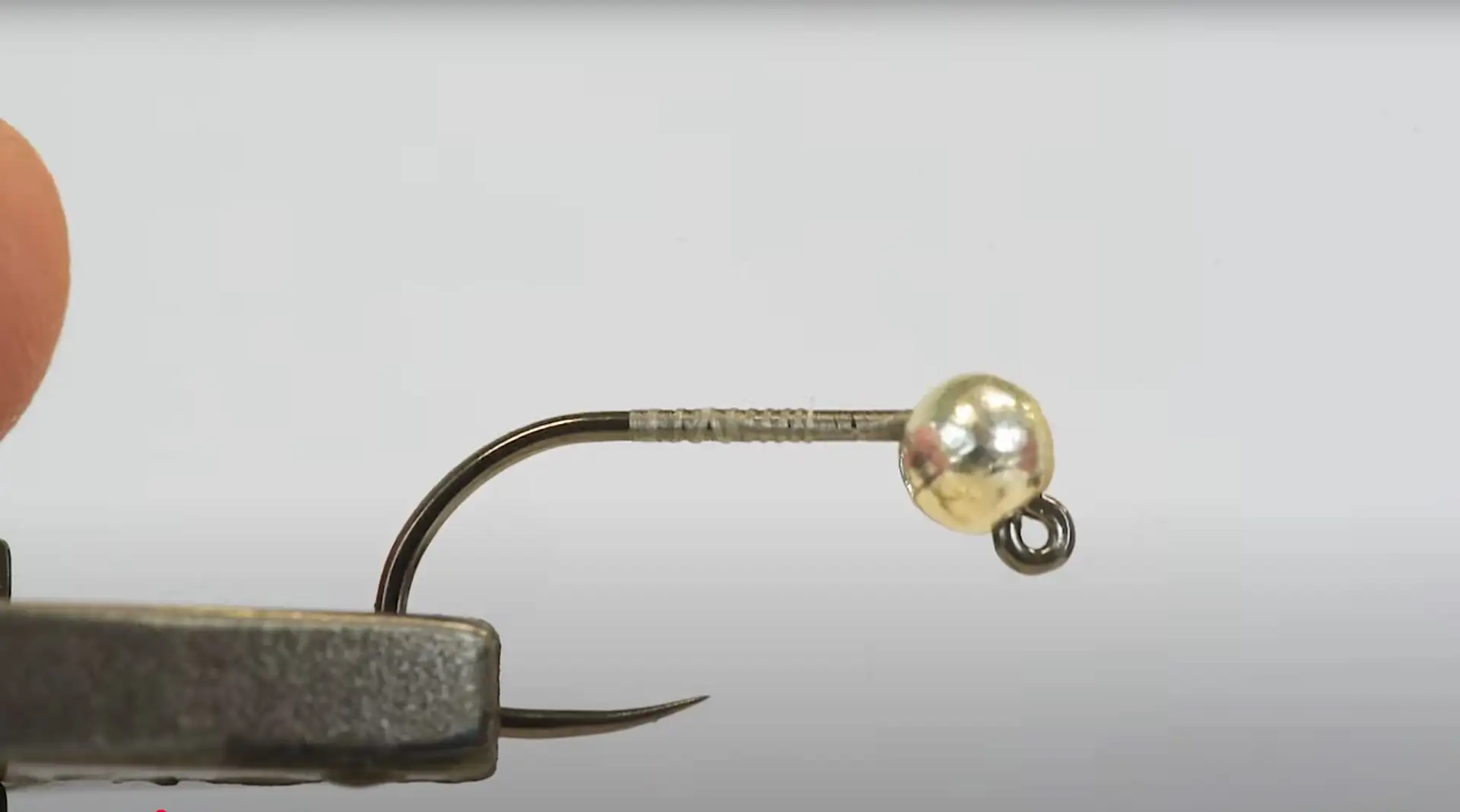
Slide the tungsten bead onto the hook and lay a thread base
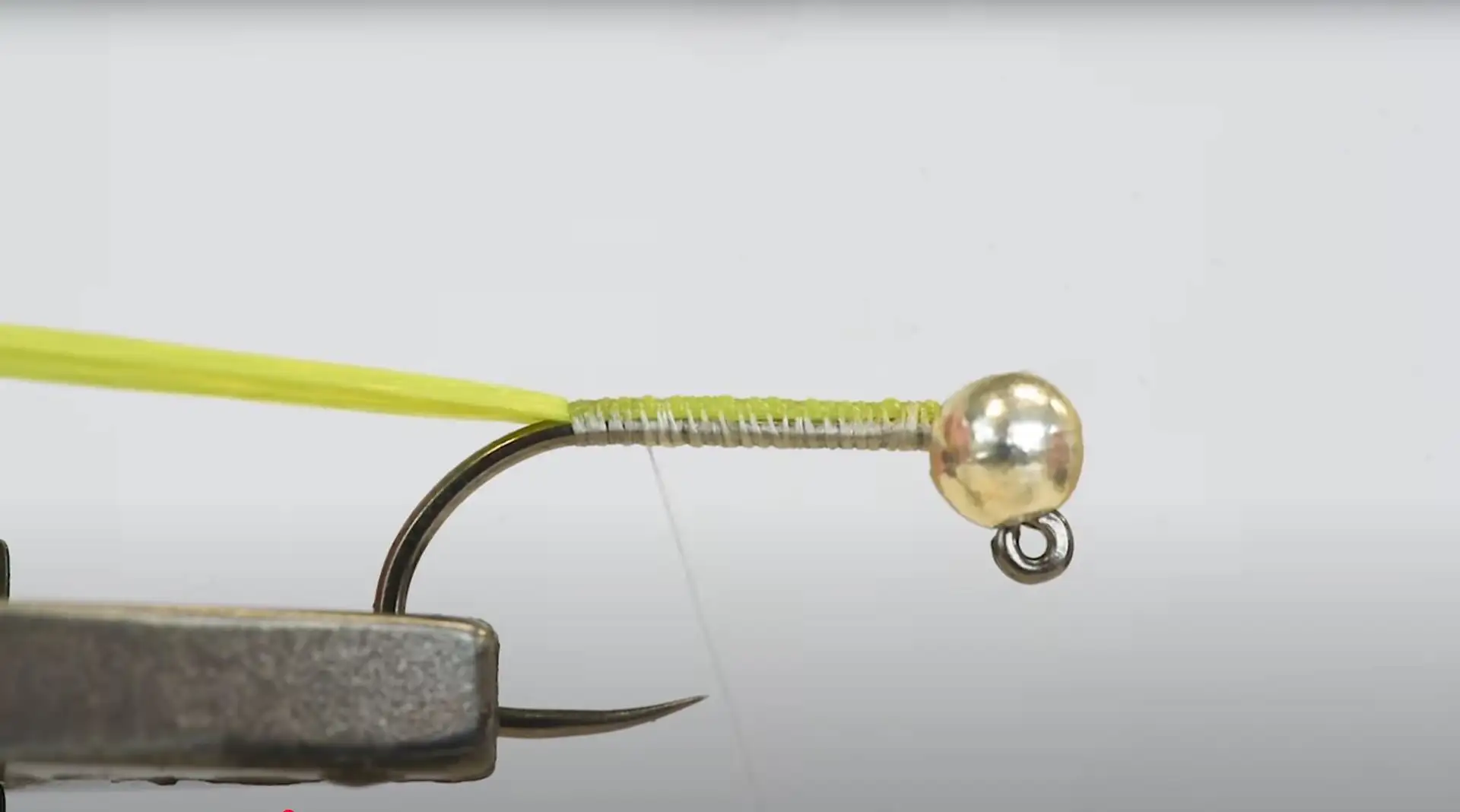
Tie in a doubled piece of floss thread on the hook
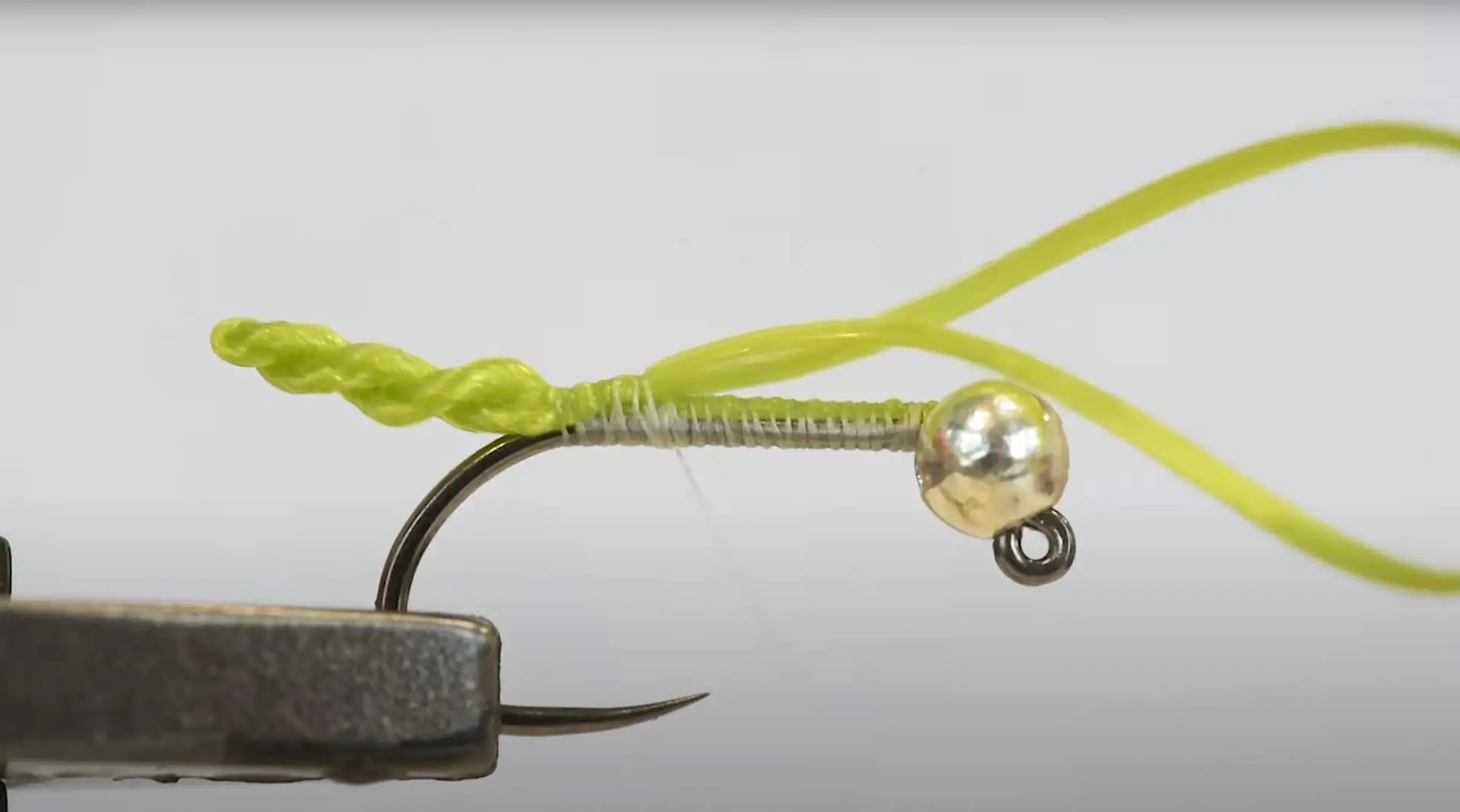
Twist the floss and tie it in so that a piece of floss sticks out at the rear
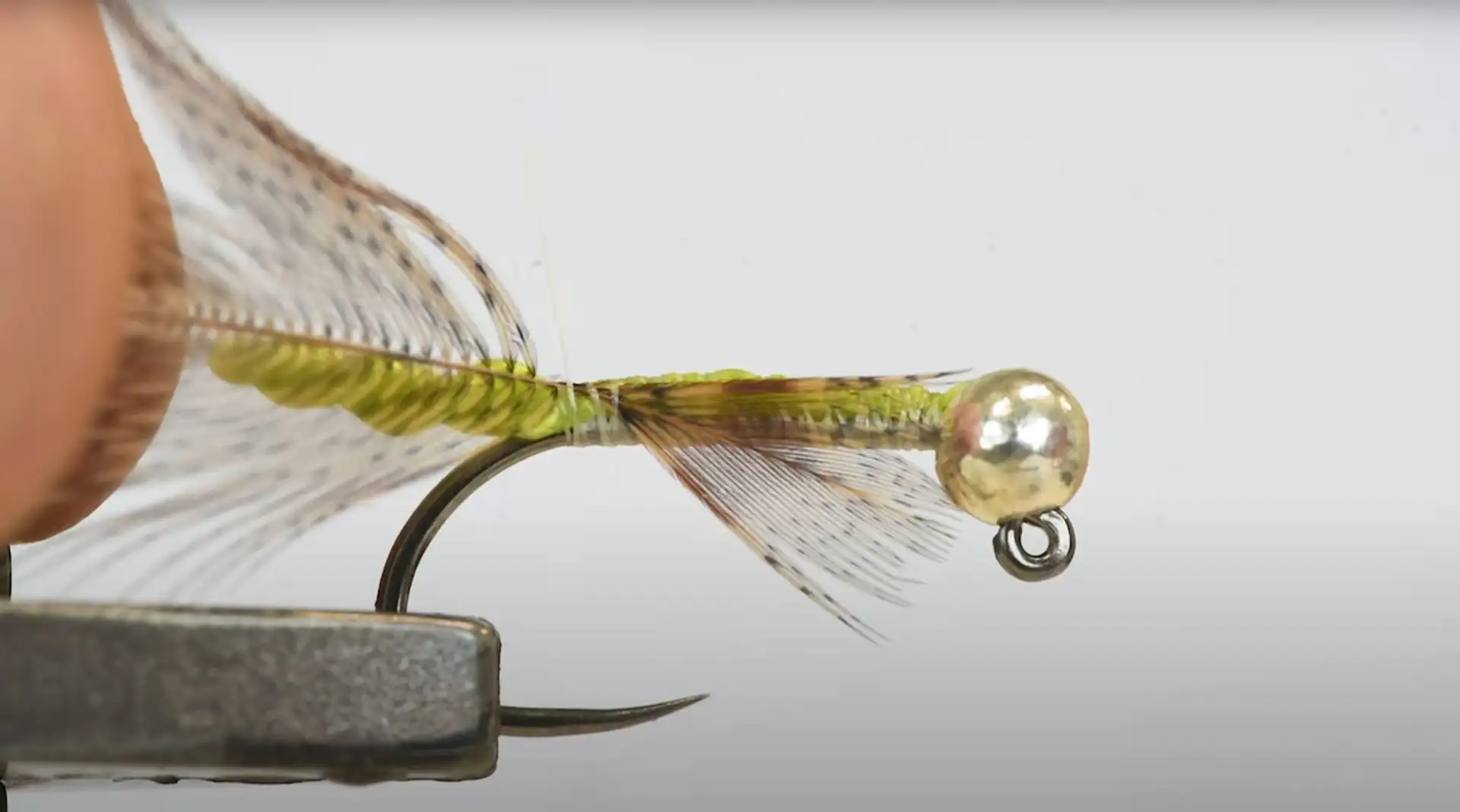
Tie in a partridge feather at the hook
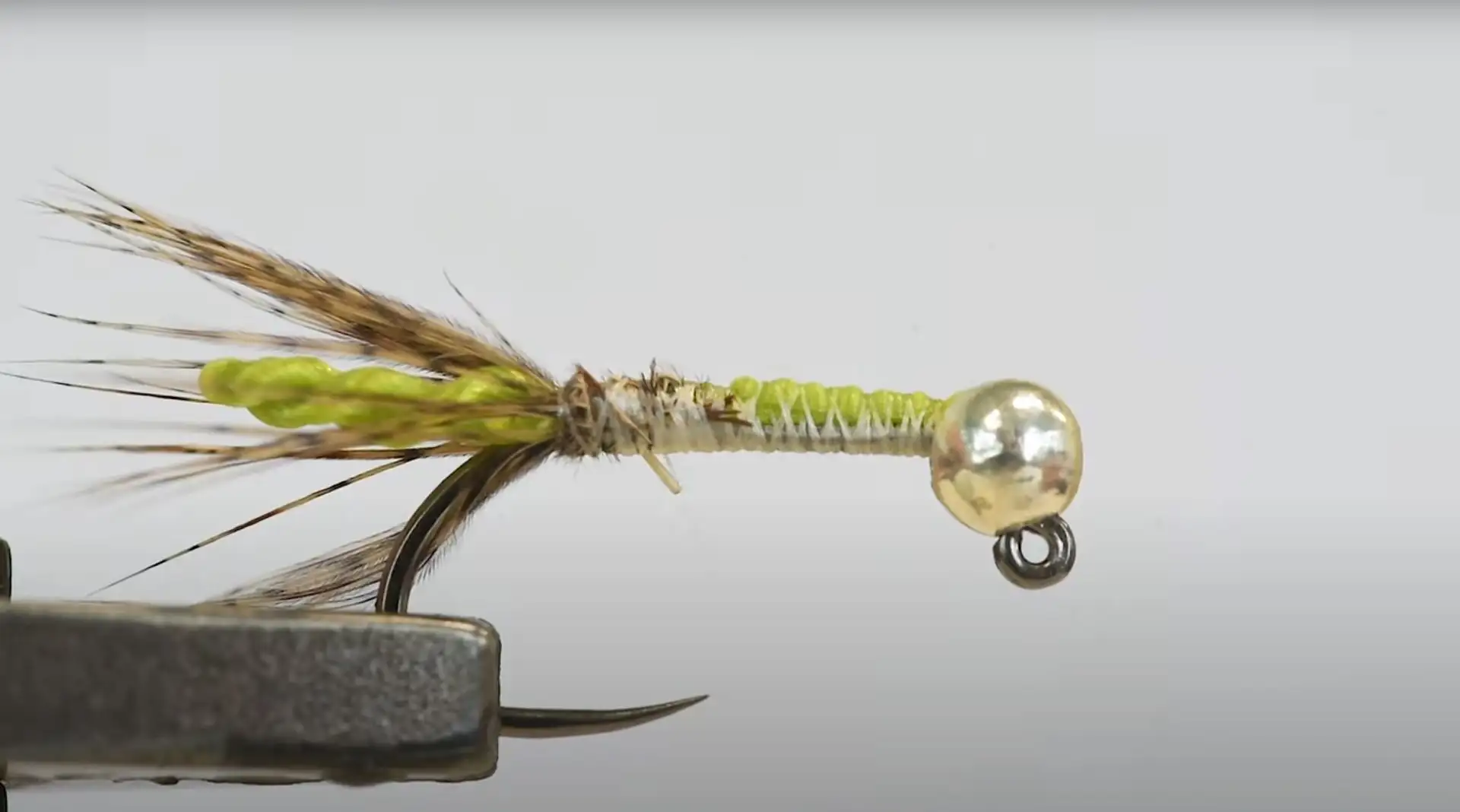
Wrap the feather toward the rear and tie it off
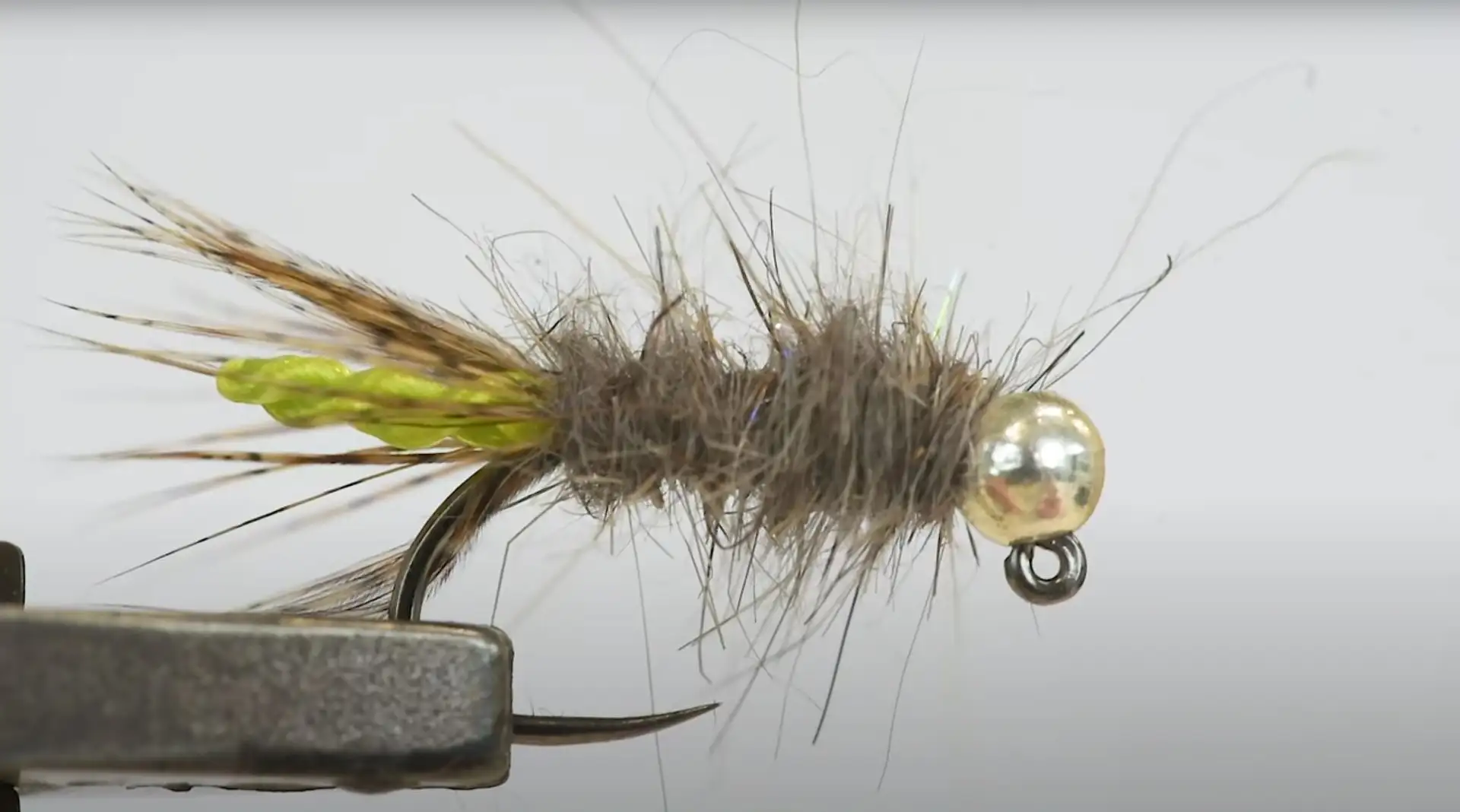
Form the body with dubbing
You’ll find the Peeping Caddis ready to fish in our range—along with over 3,000 other fly patterns for every situation on the water.
2.2. CADDIS PUPA
Not all caddisflies build a case: some species live freely in the water and move skillfully between the rocks. Their imitations are slimmer and more minimalistic, without a case, featuring a elongated body in olive green, yellow, or cream shades. These patterns often use soft materials like natural or synthetic dubbing to give the fly more lifelike movement. Alternatively, silicone strips are used to realistically mimic the segmentation of the insect body. These flies are typically fished as sinking nymphs and are extremely effective for bottom fishing, where fish actively search for exposed or drifting larvae.
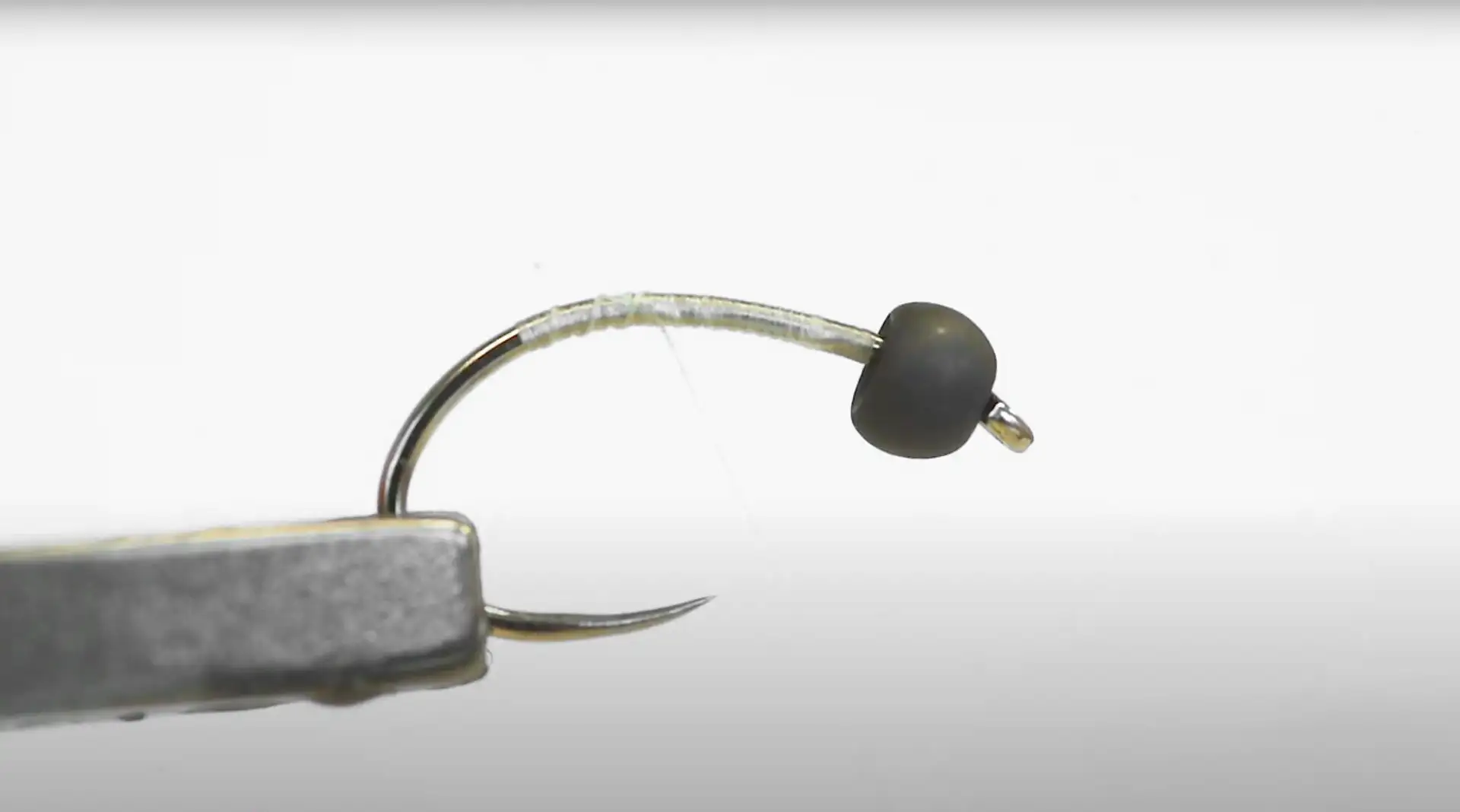
Slide the tungsten bead onto the hook and lay a thread base
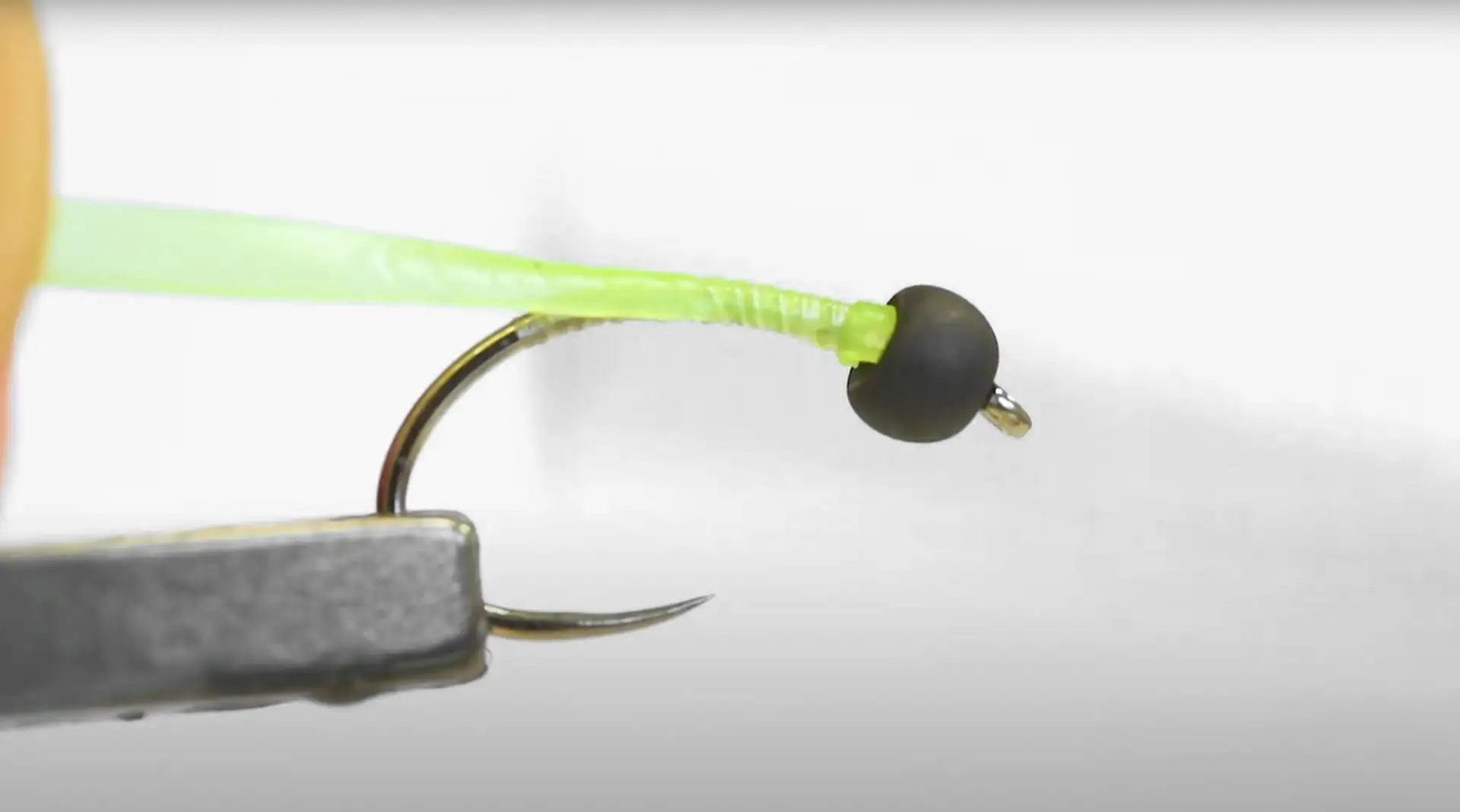
Tie in a silicone strip
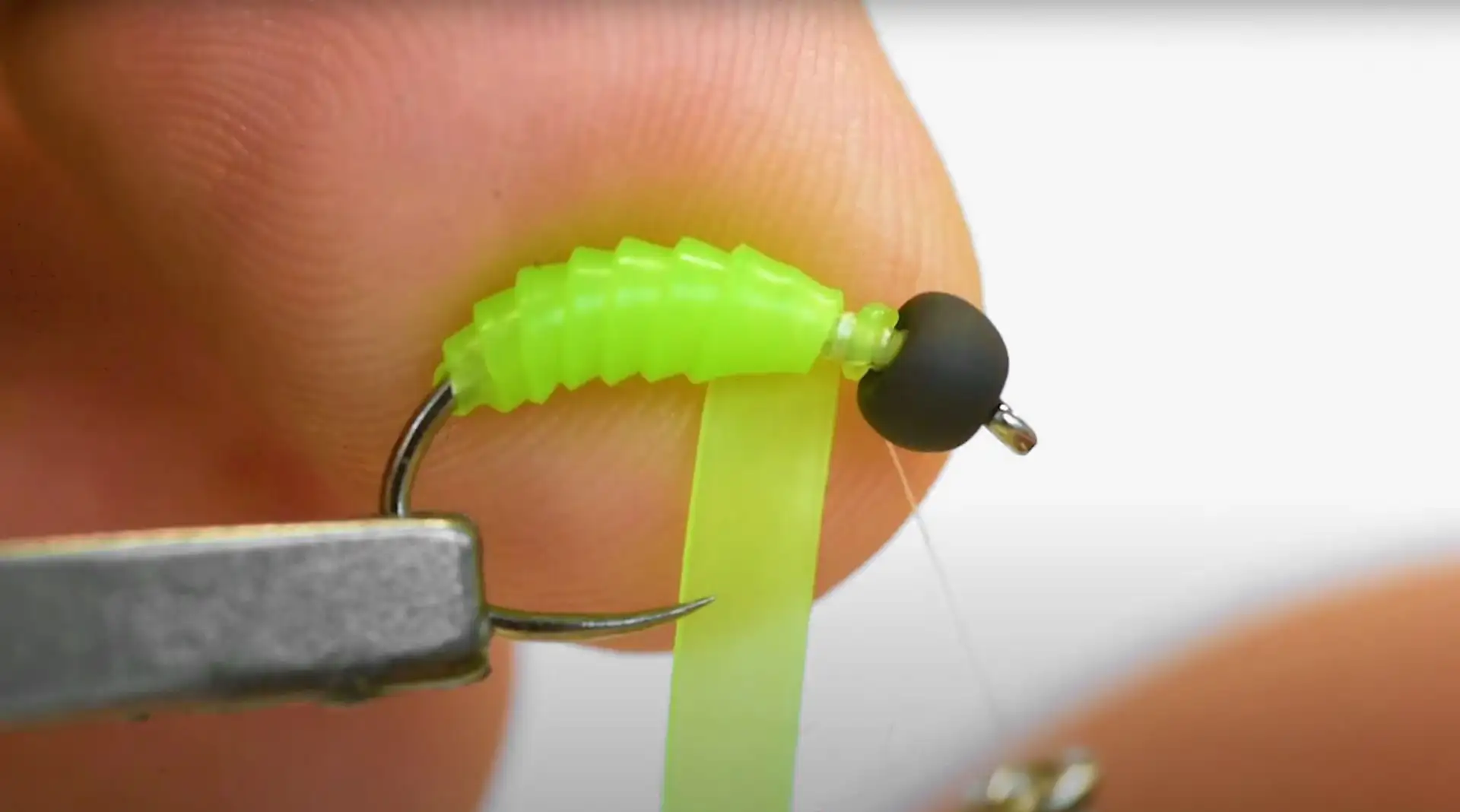
Wrap the silicone forward in overlapping turns and secure it behind the bead
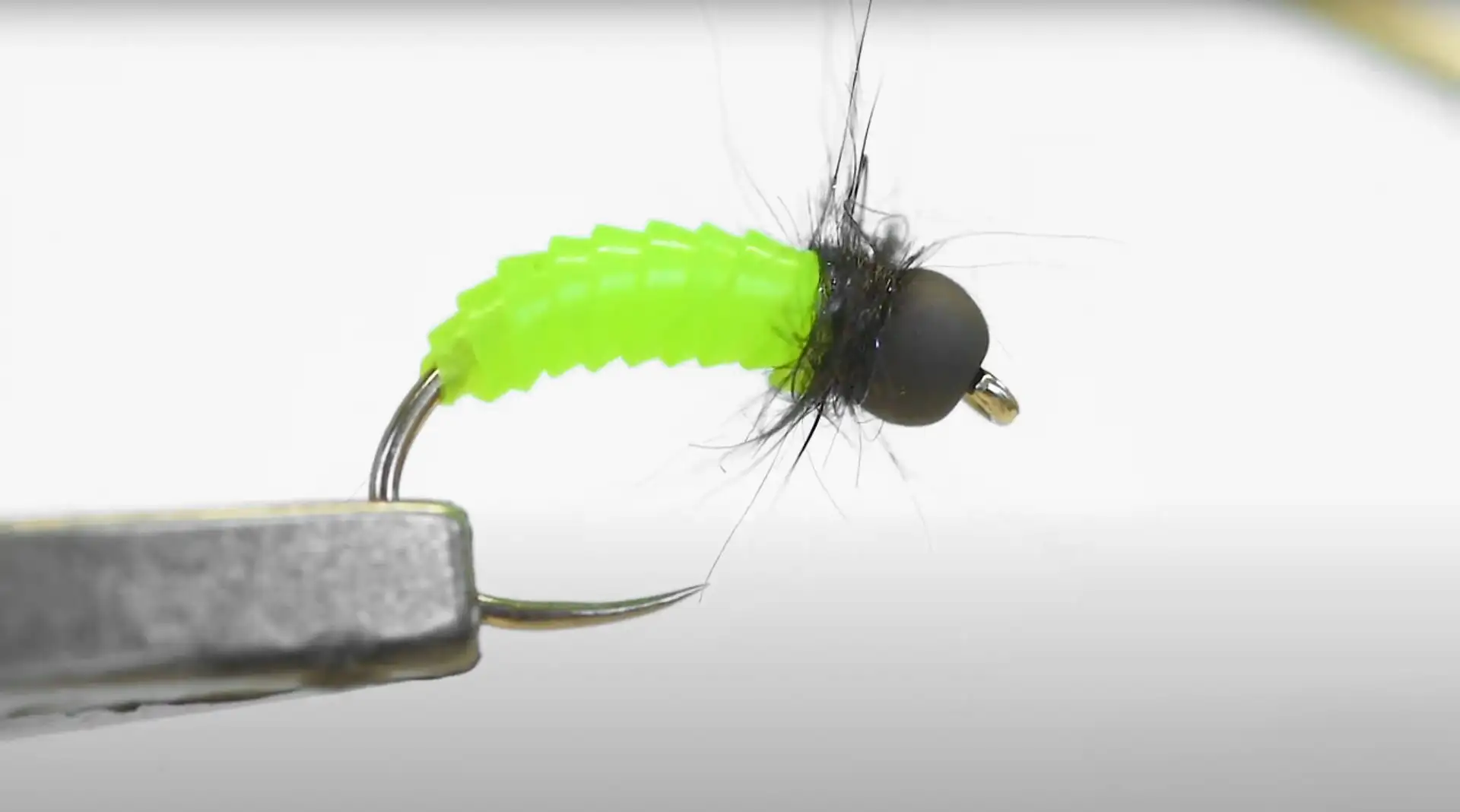
Form the thorax with dubbing
You’ll find the Caddis Pupa ready to fish in our selection—along with over 3,000 other fly patterns for every situation on the water.
2.3. SEDGE
In the final stage of its life cycle, the caddisfly turns into a flying insect that resembles a small moth and is known among fly fishers as the Sedge. These insects are especially active at dusk and in the evening, when they fly over the water or land on the surface to lay their eggs. Artificial Sedge patterns are high-floating dry flies designed to stay on the water’s surface even in strong currents and provoke aggressive surface takes. They are typically used during evening hatches or when there’s visible surface activity from fish. A particularly effective way to fish the Sedge is by skating it across the surface in short twitches—known as "dragging" the fly. Briefly lifting and letting it land again also mimics the egg-laying behavior of adult caddisflies, which fish find hard to resist.
TYING MATERIALS:
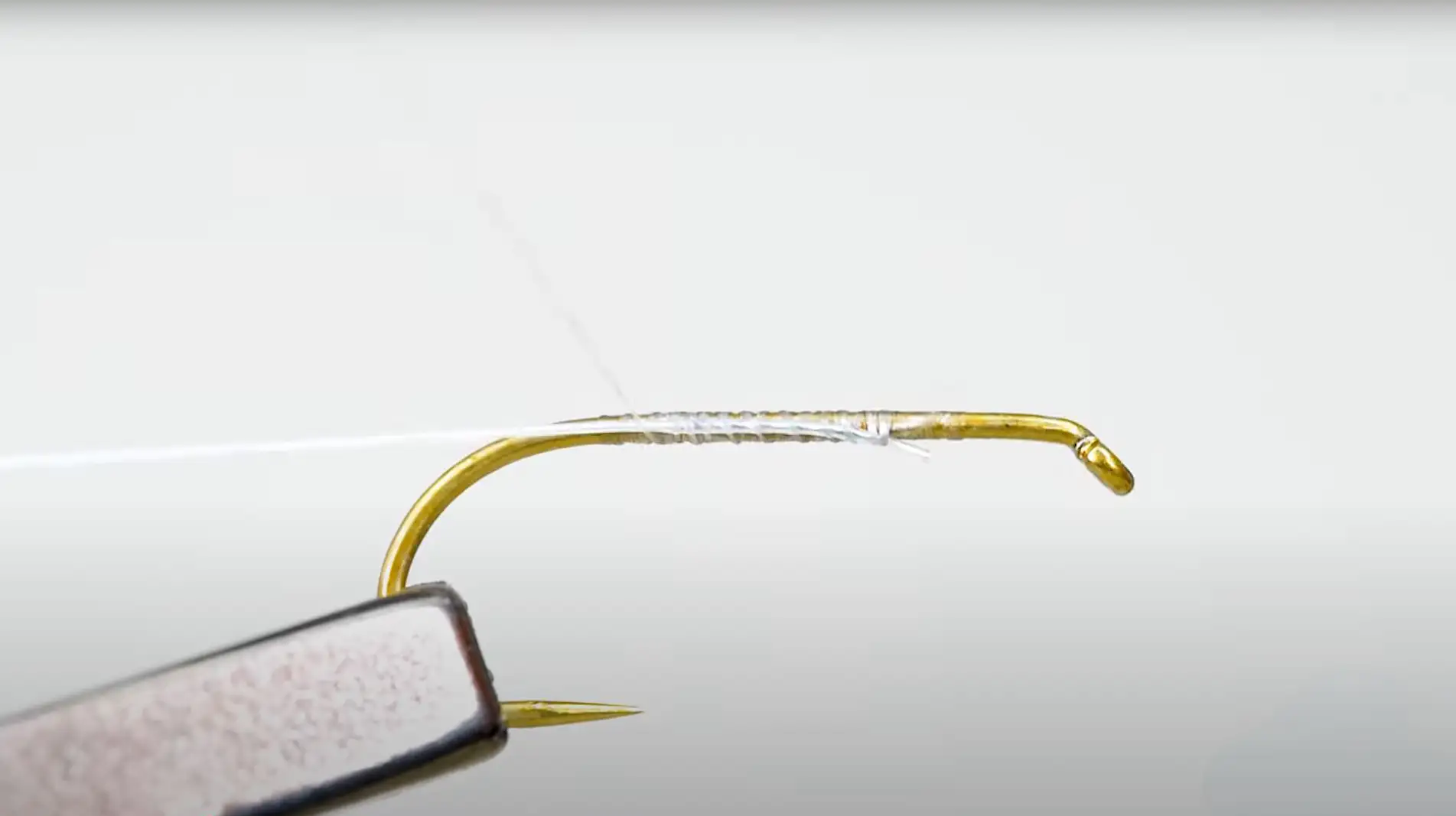
Lay a thread base and tie in a piece of Magic Pearl Quill
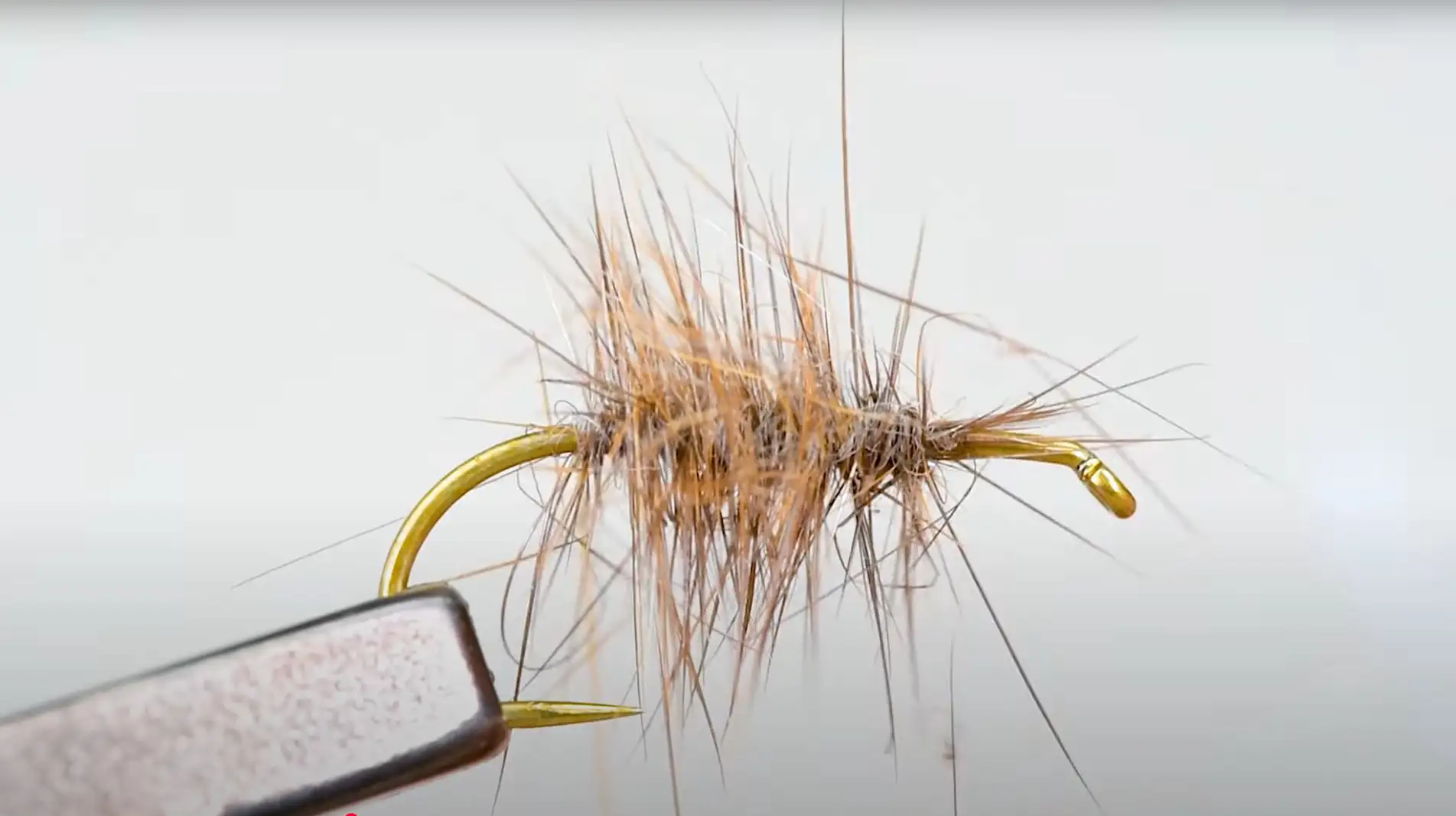
Form the body with muskrat dubbing
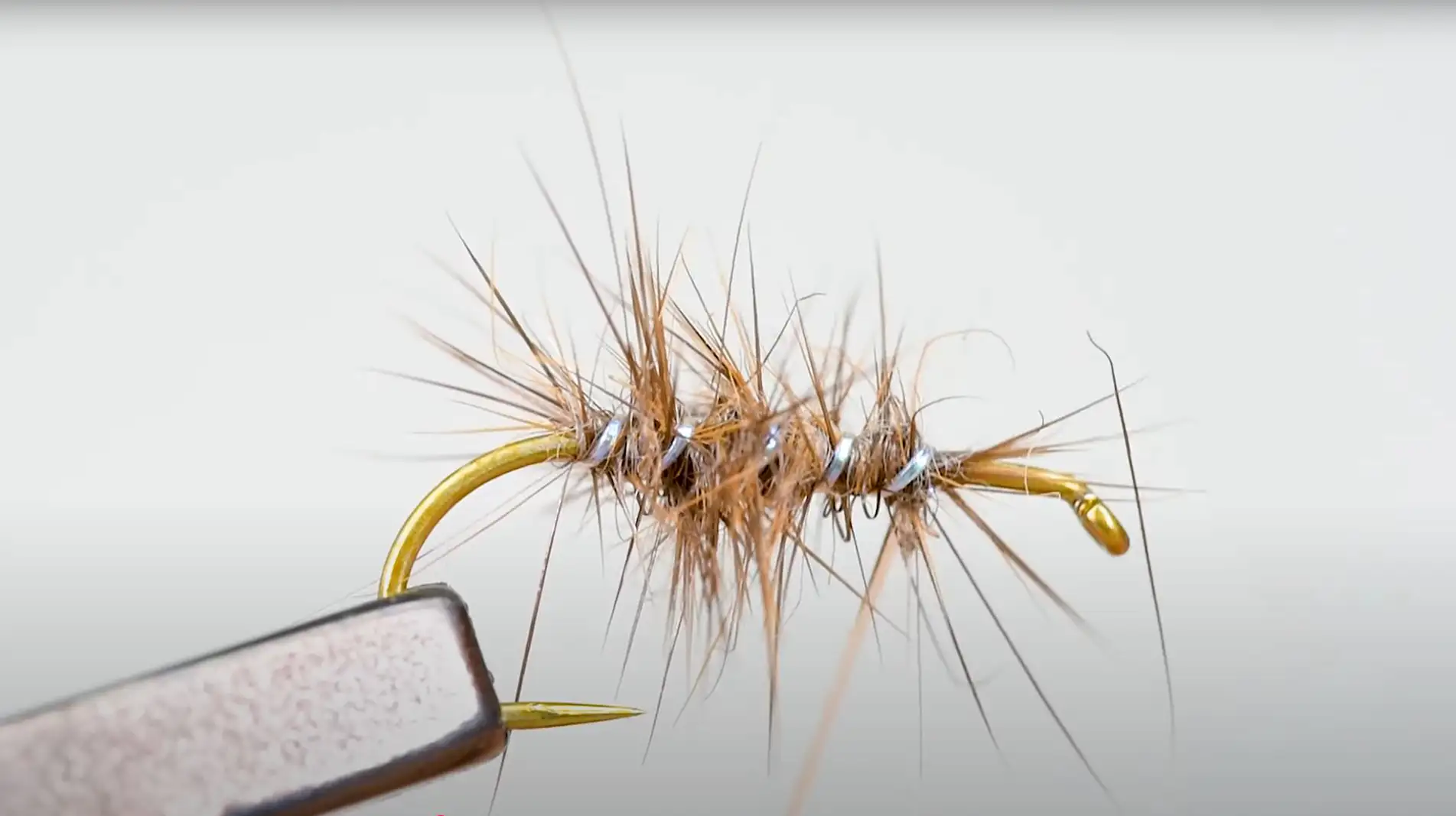
Wrap the Magic Pearl forward over the muskrat dubbing
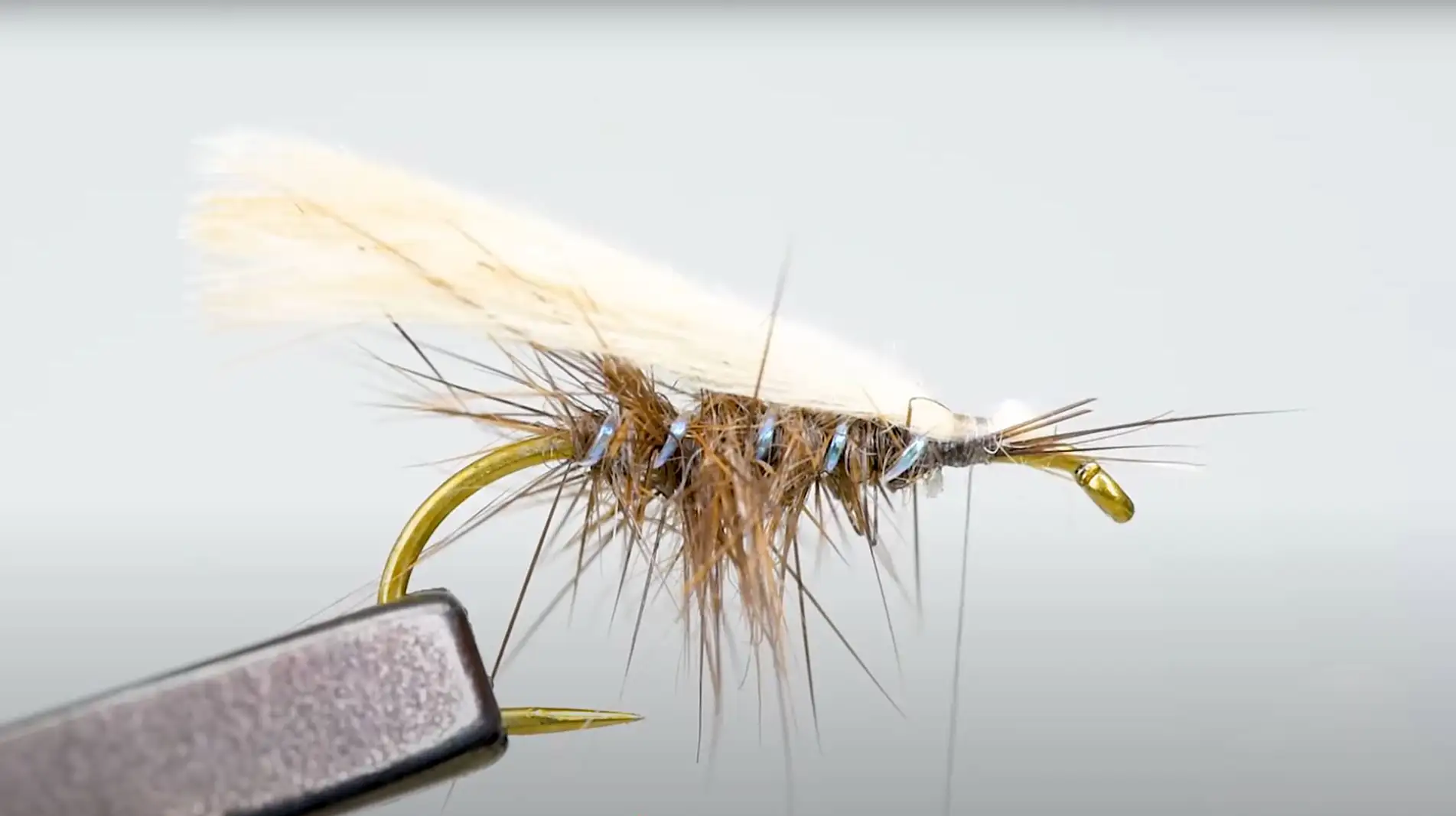
Tie in a CDC feather behind the hook eye
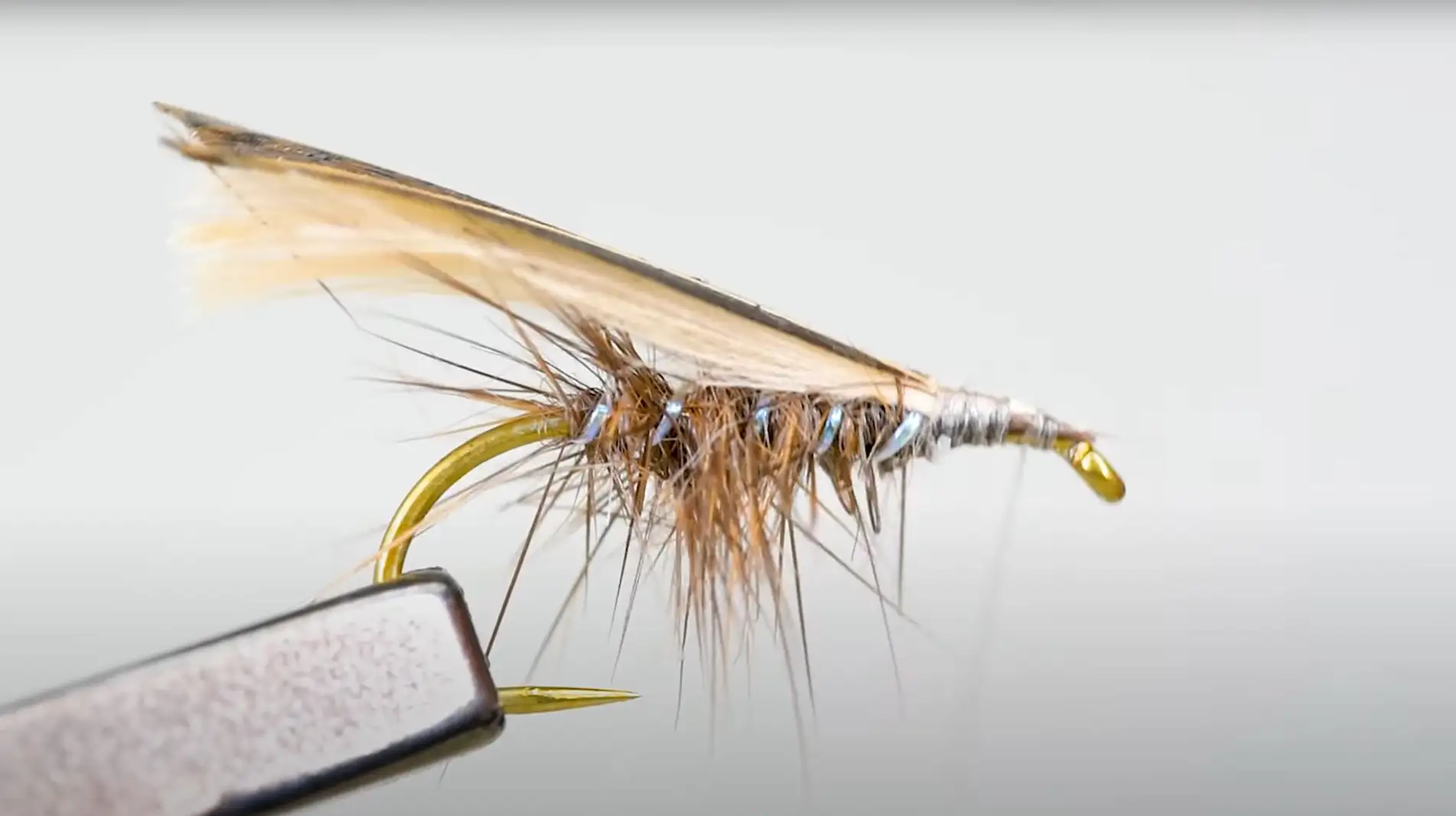
Secure a partridge feather on top of the CDC feather and reinforce with UV resin
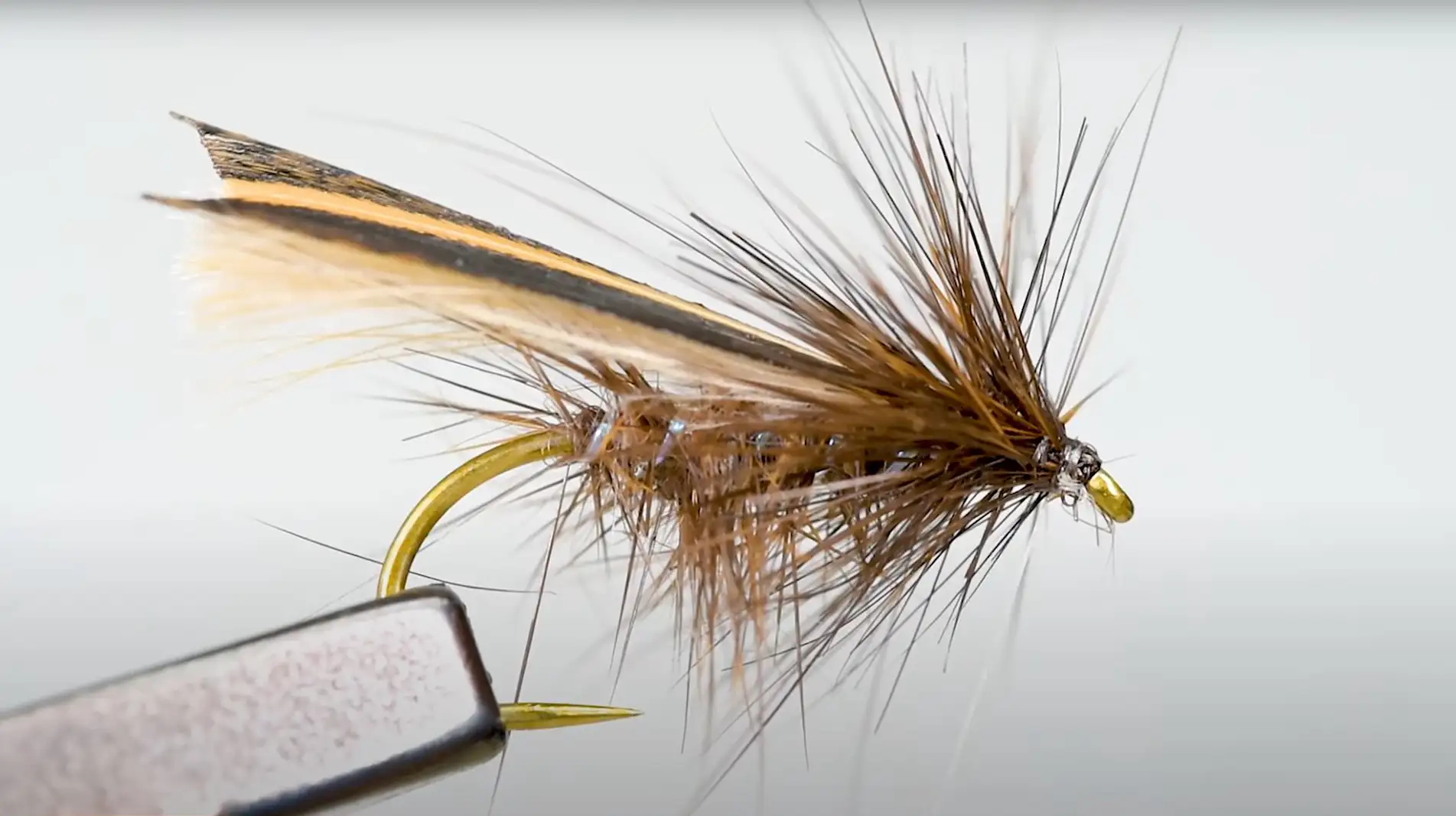
Form the head with deer hair using the split-thread technique
You’ll find the Sedge ready to fish in our selection—along with over 3,000 other fly patterns for every situation on the water.

This might also interest you:

Fly tying – Streamers
Discover with us some tips and tricks on how to tie streamers, both for trout and pike. These flies are extremely effective because they trigger the fish’s predatory instinct, often provoking violent and adrenaline-filled strikes. If you want to catch the fish of your dreams, learning how to tie the right streamers is essential!

Tying Streamers for Pike
In this article, we’ll show you how to tie two highly effective streamers for pike fly fishing. Both are articulated patterns, and we’ll guide you through tying each one step by step.

Franco Cottarelli – The Story of a Craftsman
Franco Cottarelli is a name many fly fishers know well, closely associated with fly tying vises and inventions used by fly tyers around the world. But there is much more behind that name than a brand. It is the story of a craftsman, an inventor and a man who has spent a lifetime turning ideas and inspiration into something tangible. This is his story.
Fly tying – Streamers
Discover with us some tips and tricks on how to tie streamers, both for trout and pike. These flies are extremely effective because they trigger the fish’s predatory instinct, often provoking violent and adrenaline-filled strikes. If you want to catch the fish of your dreams, learning how to tie the right streamers is essential!
Tying Streamers for Pike
In this article, we’ll show you how to tie two highly effective streamers for pike fly fishing. Both are articulated patterns, and we’ll guide you through tying each one step by step.
Franco Cottarelli – The Story of a Craftsman
Franco Cottarelli is a name many fly fishers know well, closely associated with fly tying vises and inventions used by fly tyers around the world. But there is much more behind that name than a brand. It is the story of a craftsman, an inventor and a man who has spent a lifetime turning ideas and inspiration into something tangible. This is his story.

Fly tying for beginners
Fly fishing is a wonderful hobby. And fooling the fish with flies I've tied myself is the icing on the cake for me. That's why I want to show you in this guide how easy it is to get started in the wonderful world of fly tying and how little it takes to be able to tie your first catchy flies yourself.

Fly tying – Nymph
In this article, we’ll discuss the general characteristics of a nymph and explore why it is so effective. Additionally, through detailed videos and photos, we’ll learn how to tie some simple yet highly effective fishing dressings.

Fly Tying – March Brown
The March Brown is much more than just an artificial fly – it's a legend. With deep roots in the history of fly fishing, this pattern has endured through the centuries thanks to its effectiveness and versatility. Used since the Middle Ages, it has adapted to the needs of modern anglers without ever losing its identity.

Fly tying – carp fly
Carp fly fishing challenges the angler’s skill, patience, and attention to detail. Though commonly targeted with bait, carp are also a fascinating and selective species for fly fishing, requiring precise fly presentation and water behavior.

Fly tying – Perdigon
In this article, we’ll explore how to tie a Perdigon fly. You’ll find some interesting facts about the origin of this dressing, discover its advantages and uses, and follow a step-by-step guide—with photos and videos—to tying this highly effective pattern.

How to tie a dry fly
The article describes dry flies in fly fishing, illustrating materials, characteristics, and tips for tying them effectively. It offers useful insights both for beginners and for those looking to refine their skills.

FLY TYING: parachute fly
In this fly tying tutorial for parachute flies you will find a video of the fly-tying process, step-by-step photographs, a list of materials and tools used, and a series of parachute flies ready for fishing. What are you waiting for, come and have a look!


