

INDEX:
1. WHAT IS A FISHING NYMPH
In fly fishing, a nymph is an artificial imitation of the juvenile stages of aquatic insects, such as mayflies, stoneflies, caddisflies, and chironomids. These insects live underwater for most of their lives and represent a primary food source for trout, grayling, and other freshwater fish. Nymphs are used to simulate the natural behavior of these prey, especially in areas where fish feed close to the bottom.
2. WHEN AND WHY TO USE A FISHING NYMPH
Nymphs are a strategic choice when fish are not feeding on the surface, a common condition in cold months or in deep waters. They are particularly effective when underwater activity is observed – small movements, bottom takes – but no visible hatches on the surface. Using a nymph allows you to reach the bottom quickly while maintaining a natural drift that simulates the behavior of real insects.
3. GENERAL STRUCTURE OF A FISHING NYMPH
A fishing nymph consists of several fundamental parts, each with a specific function to best imitate the submerged insect:
- Hook: can be curved, straight, or jig, depending on the type of insect being imitated.
- Tail: usually very thin and made from cock fibers, feathers, or synthetic materials.
- Body: made with dubbing, thread, quill, or tinsel, it can appear uniform or segmented, depending on the desired effect.
- Thorax: the central part, often bulkier than the body, made with darker dubbing or shiny material to enhance contrast and visibility.
- Legs: may be suggested or prominent, made with soft fibers such as CDC, hen feathers, or cock hackle.
- Tungsten or brass weight: adds weight to the nymph, allowing it to sink quickly to the bottom.
4. HOW TO TIE A FISHING NYMPH
The combinations of shapes, colors, and materials to tie a fishing nymph are virtually endless, just like the species of aquatic insects that can be imitated. However, to get started, it's advisable to begin with something simple and effective, allowing you to learn the basics without getting lost in details. A good basic nymph, made with few well-chosen materials and an essential build, can be surprisingly productive in fishing. The goal is to create a fly that is credible, durable, and functional, capable of working effectively underwater and attracting the fish's attention. Over time, you can introduce variations to refine your imitations based on conditions and the rivers you frequent.
4.1. THE PHEASANT TAIL NYMPH: THE IDEAL STARTING POINT
The Pheasant Tail is considered by many anglers the quintessential nymph, as well as the most used worldwide. It is the ideal pattern to start with, thanks to its simple construction and great effectiveness in fishing. While there are many variants, some quite sophisticated, we will tie the most classic and basic version, perfect for learning fundamental techniques and having a versatile fly to use in almost any condition.
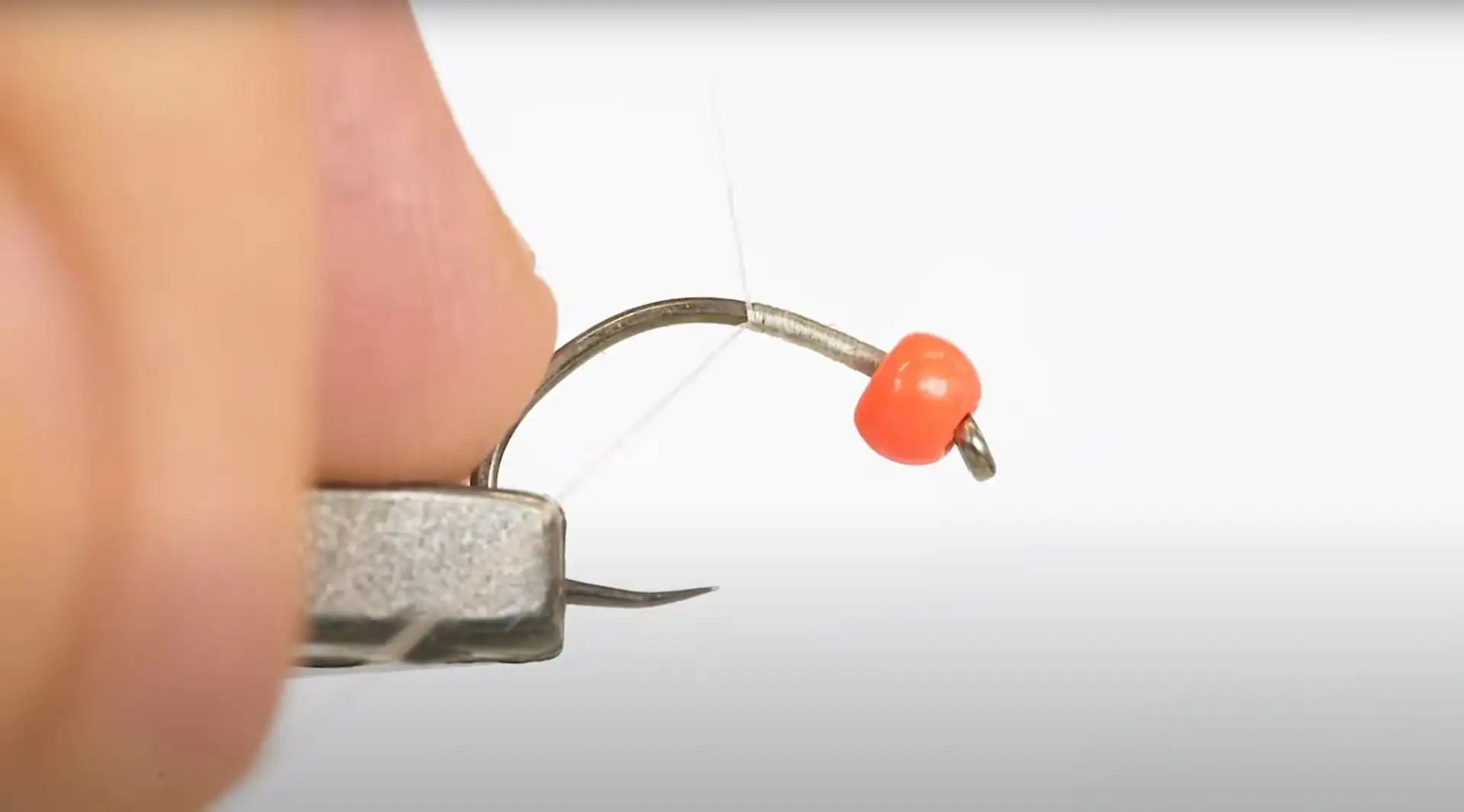
Insert the bead and secure the tying thread
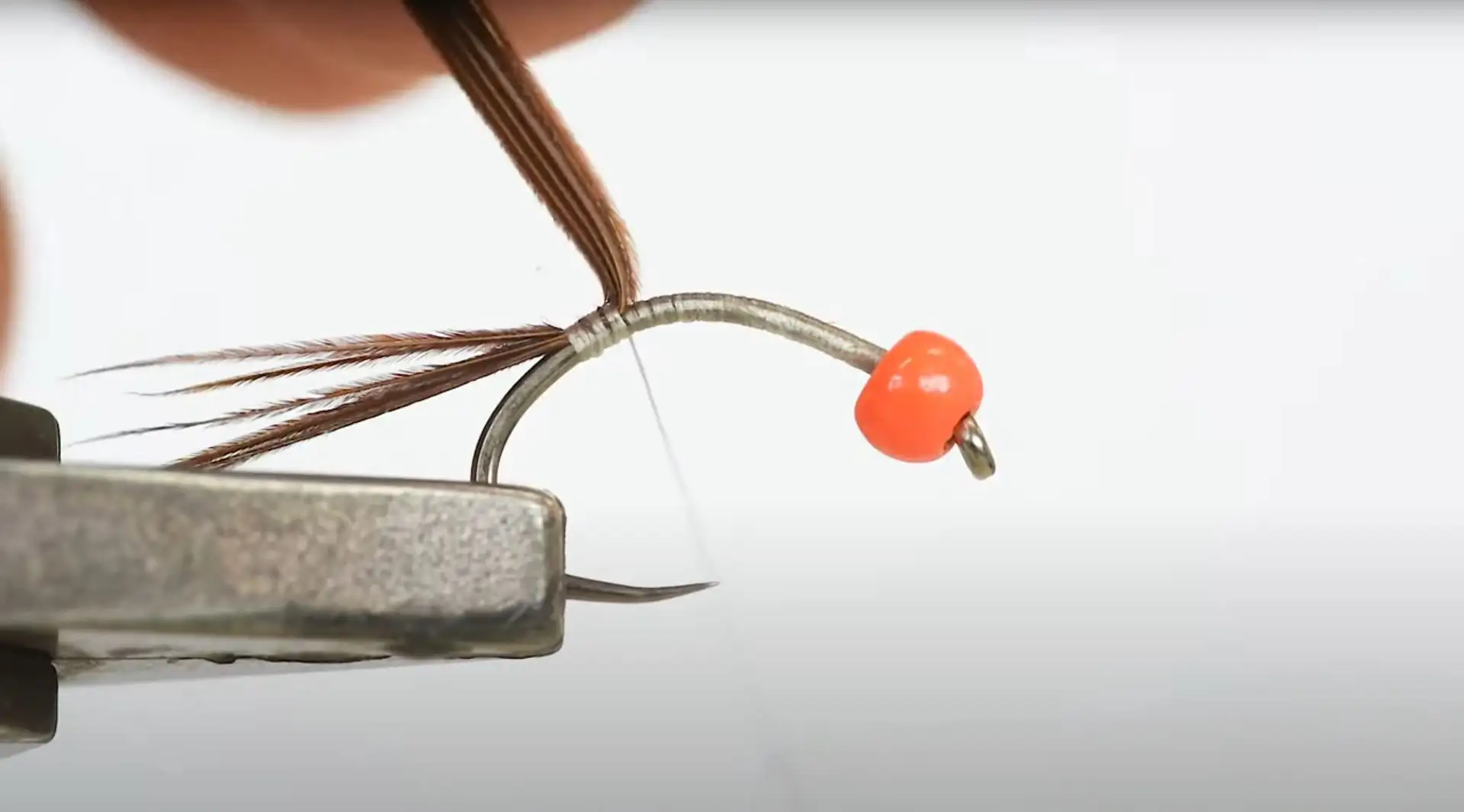
Tie in a few pheasant tail fibers, leaving them sticking out about 3/4 the hook length

Fold the excess back and secure it again
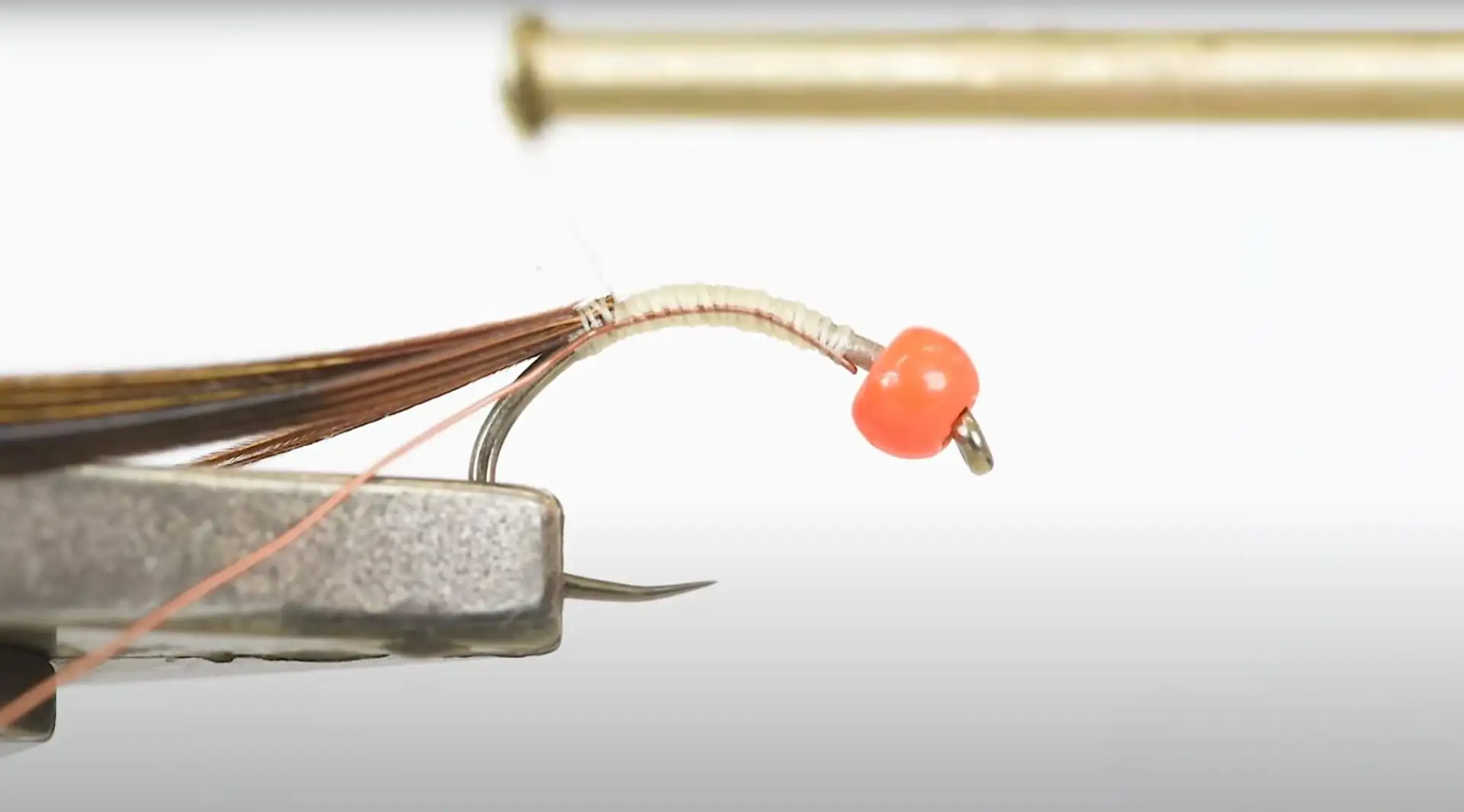
Tie in the copper wire
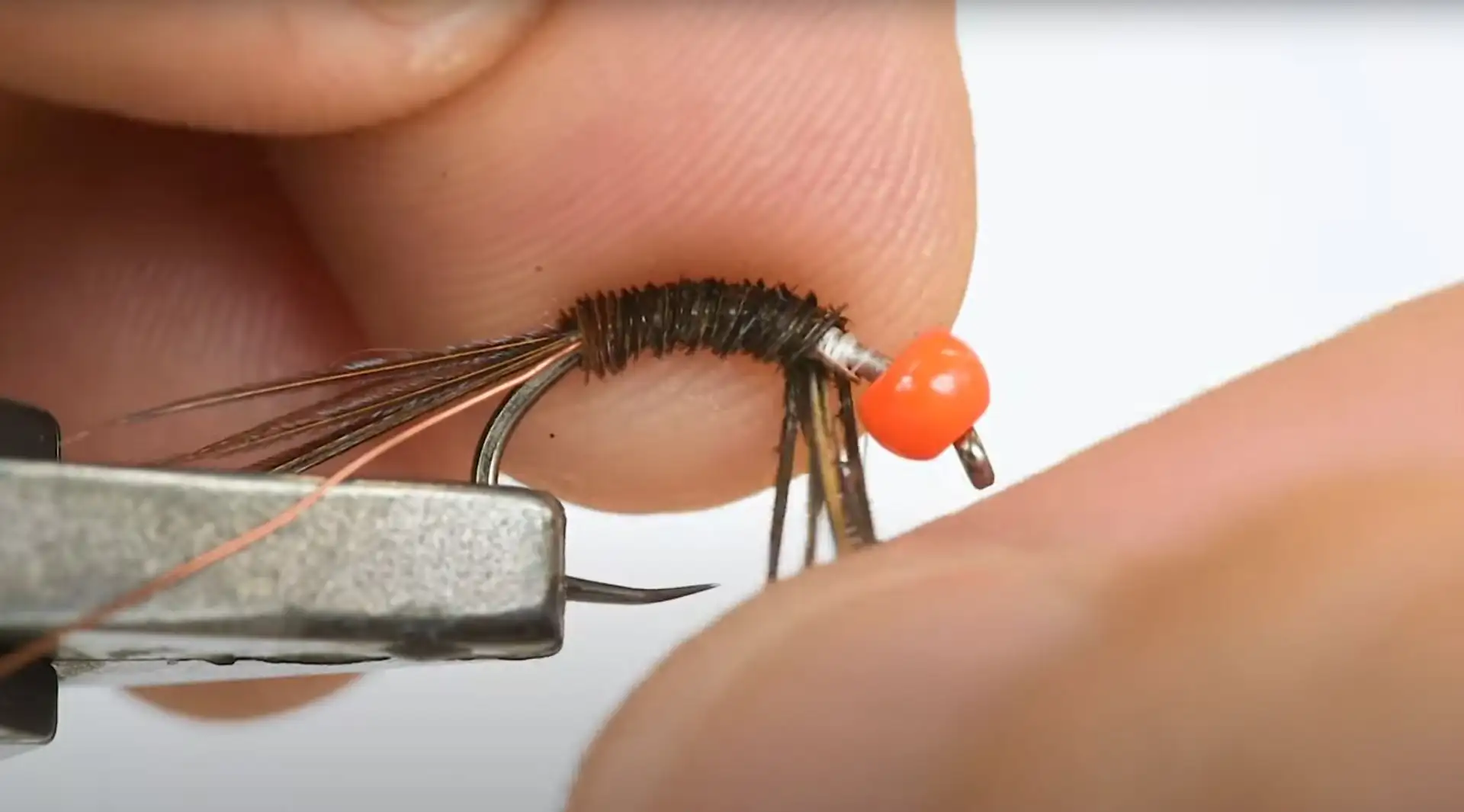
Wrap the pheasant tail fibers to form the body
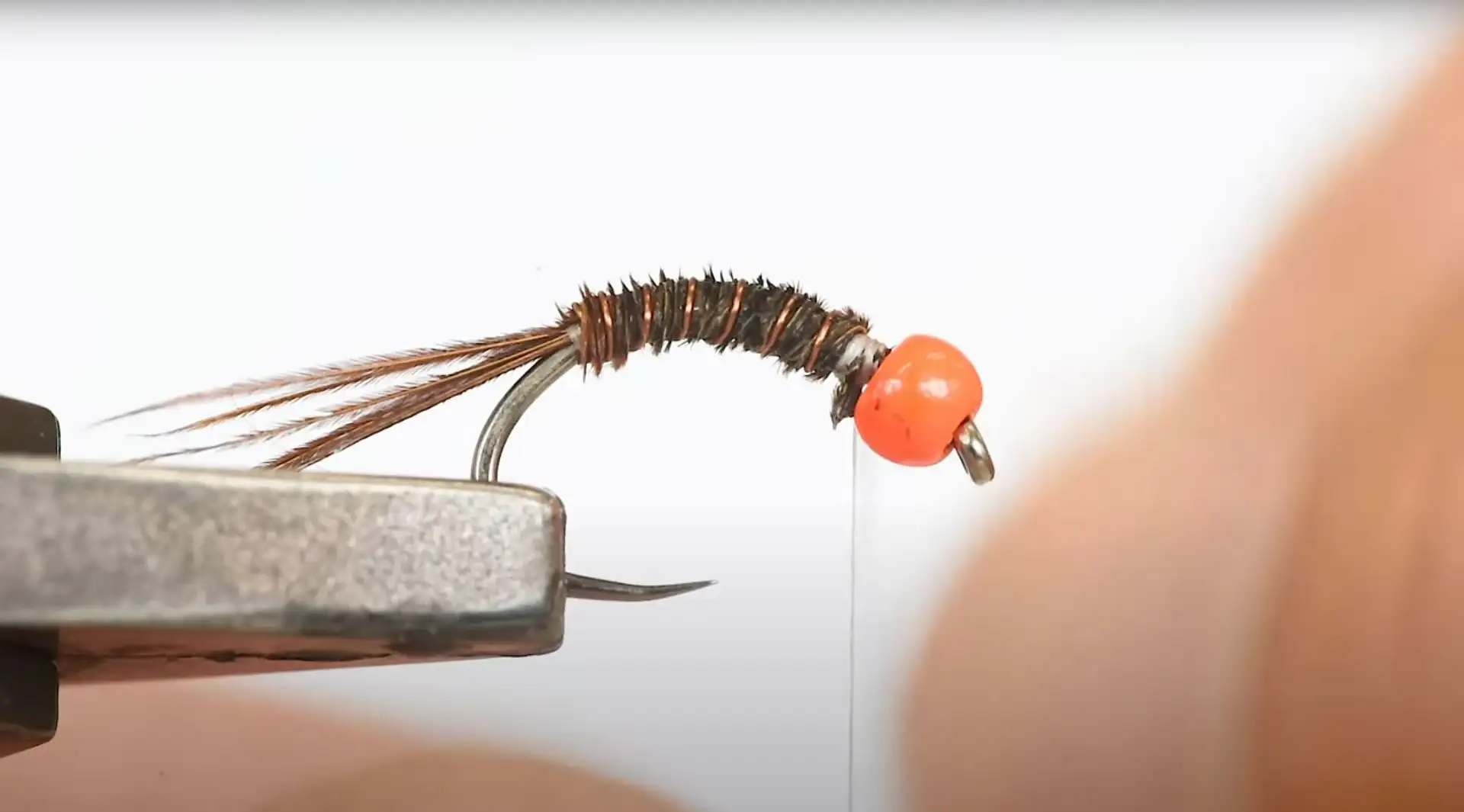
Wrap the copper wire
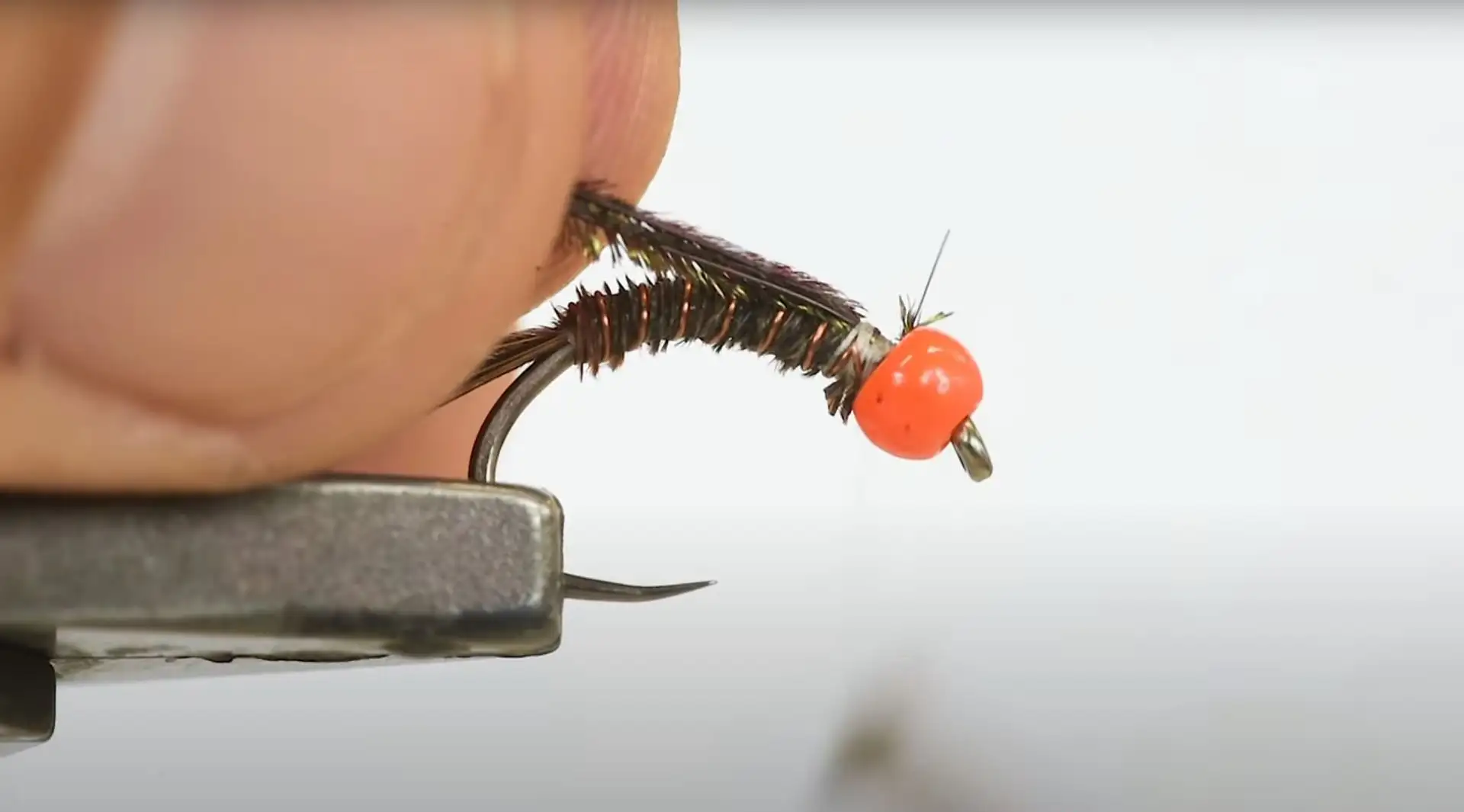
Tie in a few peacock herls
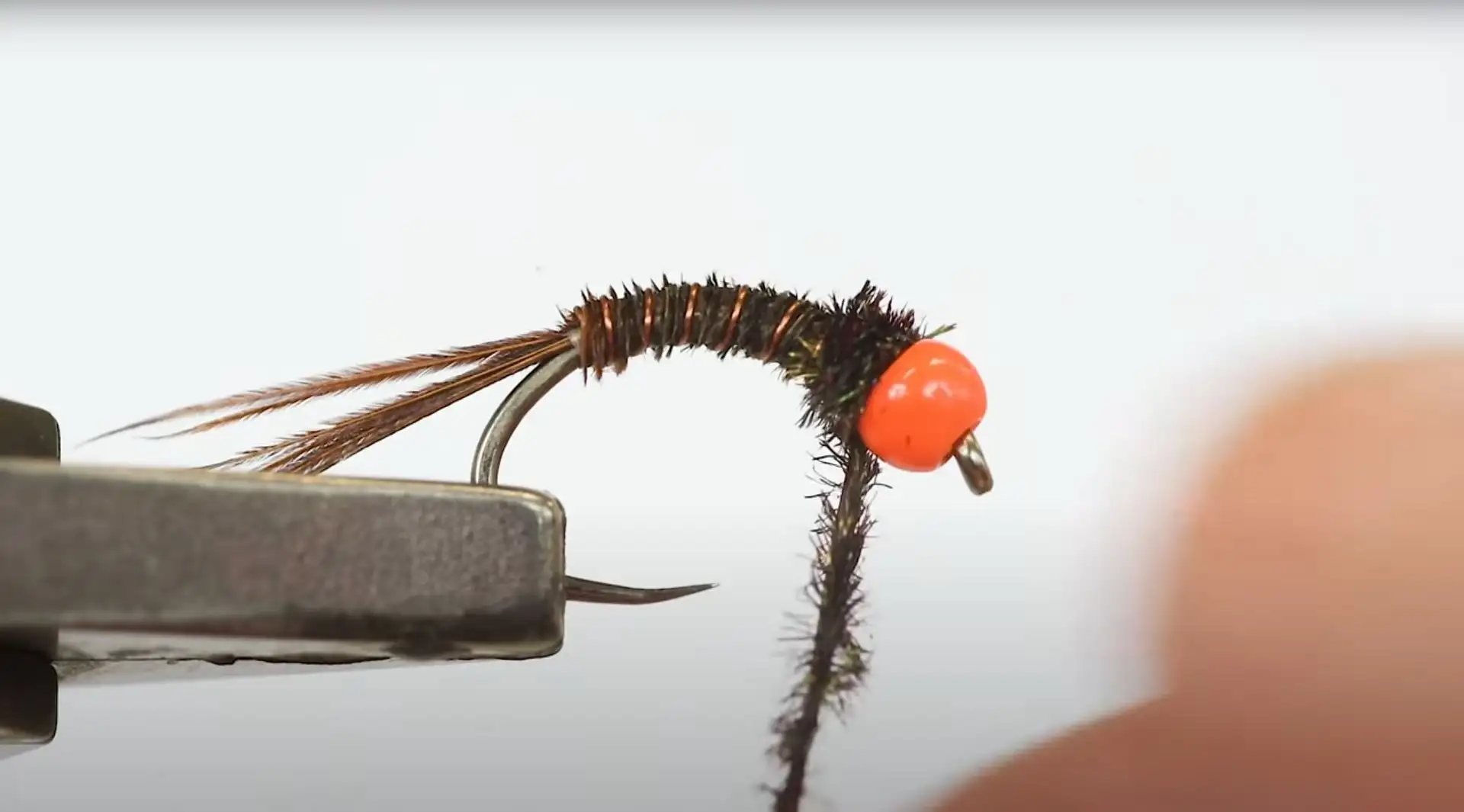
Wrap the peacock herls to form the thorax

This might also interest you:

Fly tying – Streamers
Discover with us some tips and tricks on how to tie streamers, both for trout and pike. These flies are extremely effective because they trigger the fish’s predatory instinct, often provoking violent and adrenaline-filled strikes. If you want to catch the fish of your dreams, learning how to tie the right streamers is essential!

Tying Streamers for Pike
In this article, we’ll show you how to tie two highly effective streamers for pike fly fishing. Both are articulated patterns, and we’ll guide you through tying each one step by step.

Franco Cottarelli – The Story of a Craftsman
Franco Cottarelli is a name many fly fishers know well, closely associated with fly tying vises and inventions used by fly tyers around the world. But there is much more behind that name than a brand. It is the story of a craftsman, an inventor and a man who has spent a lifetime turning ideas and inspiration into something tangible. This is his story.
Fly tying – Streamers
Discover with us some tips and tricks on how to tie streamers, both for trout and pike. These flies are extremely effective because they trigger the fish’s predatory instinct, often provoking violent and adrenaline-filled strikes. If you want to catch the fish of your dreams, learning how to tie the right streamers is essential!
Tying Streamers for Pike
In this article, we’ll show you how to tie two highly effective streamers for pike fly fishing. Both are articulated patterns, and we’ll guide you through tying each one step by step.
Franco Cottarelli – The Story of a Craftsman
Franco Cottarelli is a name many fly fishers know well, closely associated with fly tying vises and inventions used by fly tyers around the world. But there is much more behind that name than a brand. It is the story of a craftsman, an inventor and a man who has spent a lifetime turning ideas and inspiration into something tangible. This is his story.

Fly tying for beginners
Fly fishing is a wonderful hobby. And fooling the fish with flies I've tied myself is the icing on the cake for me. That's why I want to show you in this guide how easy it is to get started in the wonderful world of fly tying and how little it takes to be able to tie your first catchy flies yourself.

Fly Tying – March Brown
The March Brown is much more than just an artificial fly – it's a legend. With deep roots in the history of fly fishing, this pattern has endured through the centuries thanks to its effectiveness and versatility. Used since the Middle Ages, it has adapted to the needs of modern anglers without ever losing its identity.

Fly tying – carp fly
Carp fly fishing challenges the angler’s skill, patience, and attention to detail. Though commonly targeted with bait, carp are also a fascinating and selective species for fly fishing, requiring precise fly presentation and water behavior.

Fly tying – Perdigon
In this article, we’ll explore how to tie a Perdigon fly. You’ll find some interesting facts about the origin of this dressing, discover its advantages and uses, and follow a step-by-step guide—with photos and videos—to tying this highly effective pattern.

Fly Tying - Caddisfly
In this article we will see how to tie a Caddisfly throughout all its growth stages, from the larva with its "case" (Peeping Caddis), to the Pupa, and finally to its complete metamorphosis into the adult Sedge. You'll find a detailed description of the insect's various life stages, accompanied by detailed photos and videos explaining how to tie each pattern effectively.

How to tie a dry fly
The article describes dry flies in fly fishing, illustrating materials, characteristics, and tips for tying them effectively. It offers useful insights both for beginners and for those looking to refine their skills.

FLY TYING: parachute fly
In this fly tying tutorial for parachute flies you will find a video of the fly-tying process, step-by-step photographs, a list of materials and tools used, and a series of parachute flies ready for fishing. What are you waiting for, come and have a look!


